
Schools & BoardsSource: Greater Kashmir
In Defence of the Cluster University
10 September 2026•4 min read

There is understandable affection for Kashmir’s historic colleges. S.P. College, Amar Singh College and Government College for Women are part of the Valley’s educational history and have shaped generations of students. But that affection should not force us into a false choice between preserving our colleges and retaining the Cluster University. We need both. The criticism of the Cluster model raises legitimate questions about administration, autonomy and academic performance. But these concerns do not, by themselves, establish that the University is an unnecessary layer. The more important question is: what has the Cluster University added to higher education in Srinagar that individual colleges could not easily provide on their own? The answer is significant. Created in 2016 by bringing together five existing colleges, Cluster University Srinagar was intended to pool their resources and create a larger, multidisciplinary academic institution. Its mandate went beyond conventional undergraduate teaching to include postgraduate, integrated, professional and research programmes. Today, the University offers programmes across the sciences, humanities, social sciences, management, technology, education and other emerging fields. The Cluster University did not simply create another office. It created another level of education. That distinction is at the heart of the debate. A college may provide excellent undergraduate education. A university can provide something more: postgraduate study, doctoral research, specialised teaching, interdisciplinary programmes and the institutional scale needed to sustain research and new disciplines. Cluster University Srinagar has steadily moved in that direction, including the development of research and doctoral programmes. For students, this is not a minor administrative change. It means a wider academic horizon: more subjects, more pathways and more opportunities to move from undergraduate study towards advanced learning and research within one broader academic ecosystem. The suggestion that becoming part of a university necessarily destroys a college’s identity is equally questionable. St. Stephen’s College and Lady Shri Ram College remain distinctive and highly regarded institutions within the University of Delhi. They have retained their names, traditions, academic cultures and internal structures while operating within a larger university framework. Being part of a university does not mean ceasing to be a college. The same principle can apply in Jammu and Kashmir. Our constituent colleges can retain their identities while developing distinctive academic strengths within the Cluster University. S.P. College can build on its scientific tradition; Amar Singh College can strengthen its humanities and liberal-arts profile; other constituent institutions can develop their own areas of excellence. That is not institutional dilution. It is specialisation within a larger academic ecosystem. There is another misconception worth challenging. Autonomy and university membership are not opposites. The Cluster Universities Act itself envisages constituent colleges as important institutional units and provides for their participation in university governance. The answer, therefore, is not to assume that college autonomy requires dismantling the University. It is to ensure that the university structure actually allows meaningful participation and decision- making at the college level. The larger question is what kind of higher education Jammu and Kashmir needs. The answer cannot be a return to a system in which colleges are largely confined to traditional undergraduate education. Young people today need access to postgraduate study, professional programmes, technology, interdisciplinary learning, research and new fields of knowledge. The Cluster model was created precisely to widen that academic horizon. This is also consistent with the broader direction of higher-education policy. The National Education Policy 2020 calls for multidisciplinary universities and higher-education clusters while also emphasising institutional autonomy and stronger research. Scale and autonomy are not contradictory goals. The case against the Cluster University therefore needs to demonstrate more than administrative inconvenience. It needs to demonstrate that the academic gains created by the University could be achieved better through fragmentation into separate institutions. That case has not yet been made. Of course, the University should be judged honestly. Student services, infrastructure, faculty strength, research output and administration all matter. But there is a crucial distinction between saying “the Cluster University has problems” and saying “the Cluster University has no purpose.” The first may be true. The second does not follow. We should not measure the success of a university by the number of offices it has created, but by the opportunities it creates for students. On that measure, Cluster University Srinagar has already expanded the educational landscape beyond what the earlier college structure offered. The debate, therefore, should be reframed. The choice is not between historic colleges and the Cluster University. It is between a fragmented higher-education system and one in which our existing institutions can grow together. Our historic colleges should retain their identity, character and traditions. But they should also be part of a larger academic enterprise capable of taking students from undergraduate education to postgraduate study, research and new fields of knowledge. The Cluster University was conceived to expand the possibilities of our colleges, not to diminish them. Its real test is not whether it has replaced the old institutions, but whether it has enabled them to do more. On that measure, the story is far from over. We do not need fewer academic ambitions. We need a university system large enough to realise them. That is the idea worth defending. Jammu and Kashmir does not have to choose between preserving its educational legacy and building its academic future; the Cluster University gives us an opportunity to do both. Dr. Rutba Peerzada teaches in P.G Department of Political Science, Cluster University of Srinagar.
Key Takeaways for Parents & Students
- Review official circulars and verify key requirements directly with authenticated campus administration.
- Keep registration numbers, student identification credentials, and necessary documentation accessible.
- Explore verified school and college profiles on DextroCampus for institutional guidance and transparent fee schedules.
Full Story & Background
There is understandable affection for Kashmir’s historic colleges. S.P. College, Amar Singh College and Government College for Women are part of the Valley’s educational history and have shaped generations of students. But that affection should not force us into a false choice between preserving our colleges and retaining the Cluster University. We need both. The criticism of the Cluster model raises legitimate questions about administration, autonomy and academic performance. But these concerns do not, by themselves, establish that the University is an unnecessary layer. The more important question is: what has the Cluster University added to higher education in Srinagar that individual colleges could not easily provide on their own? The answer is significant. Created in 2016 by bringing together five existing colleges, Cluster University Srinagar was intended to pool their resources and create a larger, multidisciplinary academic institution. Its mandate went beyond conventional undergraduate teaching to include postgraduate, integrated, professional and research programmes. Today, the University offers programmes across the sciences, humanities, social sciences, management, technology, education and other emerging fields. The Cluster University did not simply create another office. It created another level of education. That distinction is at the heart of the debate. A college may provide excellent undergraduate education. A university can provide something more: postgraduate study, doctoral research, specialised teaching, interdisciplinary programmes and the institutional scale needed to sustain research and new disciplines. Cluster University Srinagar has steadily moved in that direction, including the development of research and doctoral programmes. For students, this is not a minor administrative change. It means a wider academic horizon: more subjects, more pathways and more opportunities to move from undergraduate study towards advanced learning and research within one broader academic ecosystem. The suggestion that becoming part of a university necessarily destroys a college’s identity is equally questionable. St. Stephen’s College and Lady Shri Ram College remain distinctive and highly regarded institutions within the University of Delhi. They have retained their names, traditions, academic cultures and internal structures while operating within a larger university framework. Being part of a university does not mean ceasing to be a college. The same principle can apply in Jammu and Kashmir. Our constituent colleges can retain their identities while developing distinctive academic strengths within the Cluster University. S.P. College can build on its scientific tradition; Amar Singh College can strengthen its humanities and liberal-arts profile; other constituent institutions can develop their own areas of excellence. That is not institutional dilution. It is specialisation within a larger academic ecosystem. There is another misconception worth challenging. Autonomy and university membership are not opposites. The Cluster Universities Act itself envisages constituent colleges as important institutional units and provides for their participation in university governance. The answer, therefore, is not to assume that college autonomy requires dismantling the University. It is to ensure that the university structure actually allows meaningful participation and decision- making at the college level. The larger question is what kind of higher education Jammu and Kashmir needs. The answer cannot be a return to a system in which colleges are largely confined to traditional undergraduate education. Young people today need access to postgraduate study, professional programmes, technology, interdisciplinary learning, research and new fields of knowledge. The Cluster model was created precisely to widen that academic horizon. This is also consistent with the broader direction of higher-education policy. The National Education Policy 2020 calls for multidisciplinary universities and higher-education clusters while also emphasising institutional autonomy and stronger research. Scale and autonomy are not contradictory goals. The case against the Cluster University therefore needs to demonstrate more than administrative inconvenience. It needs to demonstrate that the academic gains created by the University could be achieved better through fragmentation into separate institutions. That case has not yet been made. Of course, the University should be judged honestly. Student services, infrastructure, faculty strength, research output and administration all matter. But there is a crucial distinction between saying “the Cluster University has problems” and saying “the Cluster University has no purpose.” The first may be true. The second does not follow. We should not measure the success of a university by the number of offices it has created, but by the opportunities it creates for students. On that measure, Cluster University Srinagar has already expanded the educational landscape beyond what the earlier college structure offered. The debate, therefore, should be reframed. The choice is not between historic colleges and the Cluster University. It is between a fragmented higher-education system and one in which our existing institutions can grow together. Our historic colleges should retain their identity, character and traditions. But they should also be part of a larger academic enterprise capable of taking students from undergraduate education to postgraduate study, research and new fields of knowledge. The Cluster University was conceived to expand the possibilities of our colleges, not to diminish them. Its real test is not whether it has replaced the old institutions, but whether it has enabled them to do more. On that measure, the story is far from over. We do not need fewer academic ambitions. We need a university system large enough to realise them. That is the idea worth defending. Jammu and Kashmir does not have to choose between preserving its educational legacy and building its academic future; the Cluster University gives us an opportunity to do both. Dr. Rutba Peerzada teaches in P.G Department of Political Science, Cluster University of Srinagar. Educational circulars and regional reports monitored via Greater Kashmir indicate that this update reflects broader ongoing developments within India's schools & boards framework. Educational leaders and school administrations are reviewing operational workflows to ensure complete adherence to prescribed standards. Consultants and academic advisors recommend that families and students review official circulars closely. Staying informed about curriculum guidelines, admission windows, and examination schedules ensures seamless transitions and academic clarity. Institutional administration desks will issue subsequent stage-wise updates and documentation requirements as the academic timeline unfolds.
Important Dates & Next Milestones
Procedures active for current and forthcoming academic sessions.
Follow school and regional education board portals for ongoing announcements.
DextroCampus School Directory
Finding the Right School for Upcoming Admissions?
Explore audited campus infrastructure, verified board credentials (CBSE, ICSE, IB), and transparent fee schedules across India.
Reported & verified via Greater Kashmir.Reference external bulletin
Related Education Stories
View all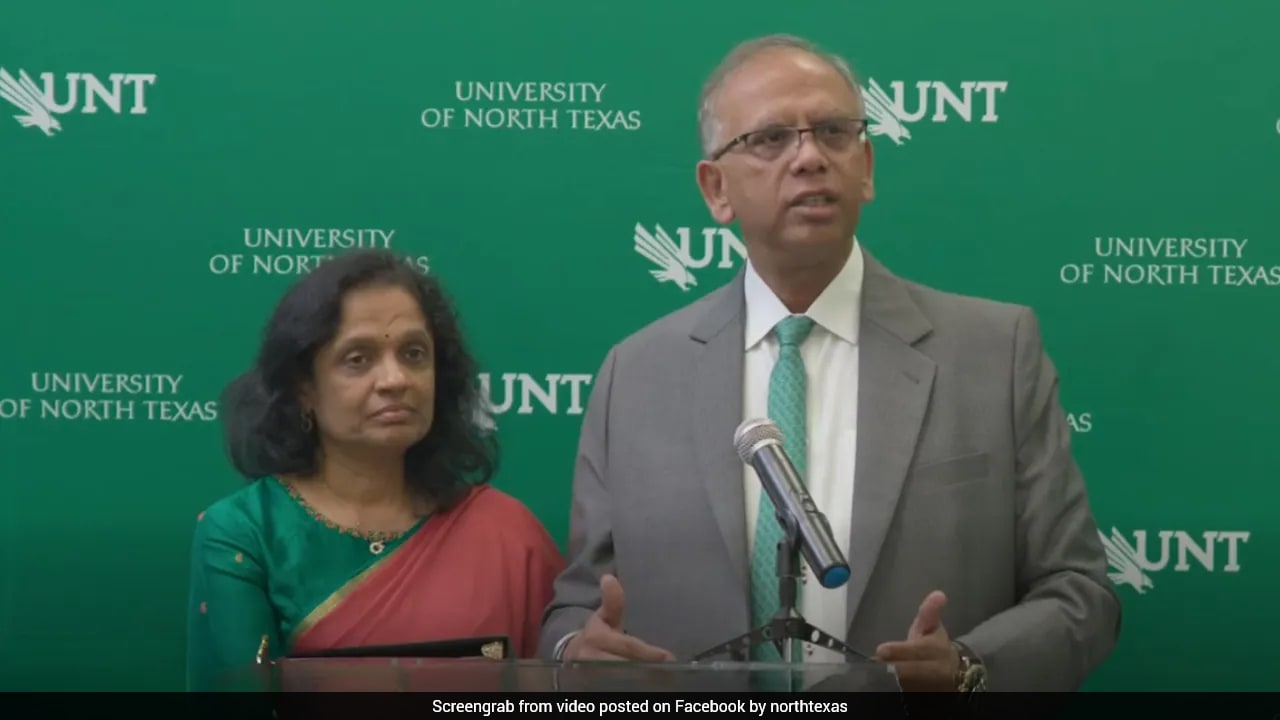
Schools & Boards
Ndtv
Indian-Origin Couple Donates $20 Million For US College To Be Named After Them
The university announced that the new college will be named Anuradha and Vikas Sinha College of Artificial Intelligence and Advanced Analytics.
Schools & Boards
Hindustan Times
Degrees eclipse diplomas at Bhatkhande amid overall enrolment slump
Educational programmes like the Bachelor of Performing Arts (BPA) and Master of Performing Arts (MPA) are becoming a preferred choice among applicants instead of short-term diploma courses.

Schools & Boards
Times Now News
‘Teachers Are For Teaching’: CJP Flags 7 Of 8 Karnataka School Teachers On SIR Duty
CJP spokesperson Ashutosh Ranka alleged that seven teachers at a Bengaluru government school have been deployed for SIR duties since June, leaving the principal and one teacher to run the school.