The Youth Mental Health Gap: What Indian Parents Need to Know in 2026
.png?alt=media&token=5f67440e-a687-42d4-a9df-a9693418cd0f)
As parents, we spend years dreaming about our child's future. We research the best boards, compare CBSE to ICSE, debate the merits of coaching classes, and obsess over admission timelines. But amidst the race for ranks and top-tier colleges, a silent crisis is brewing right inside our homes.
According to the deeply concerning Global Mind Health 2025 report by Sapien Labs, Indian youth now rank 60th out of 84 nations in mental well-being, scoring a dismal 33 on the Mind Health Quotient (MHQ)—a score that categorizes them as "distressed or struggling." Astonishingly, older Indians (55+) scored near 100, highlighting a massive generational mental health gap.
At DextroCampus, we believe that education should empower a child, not break them. But with nearly 70% of Indian students reporting moderate-to-high anxiety today, it is time we pause and ask ourselves: What are we doing wrong, and more importantly, how can we fix it?
The Invisible Pressure Cooker: What's Driving the Crisis?
If you feel like growing up today is harder than it was twenty years ago, you are entirely right. The modern Indian student is fighting battles on multiple fronts:
1. The Relentless Academic Treadmill
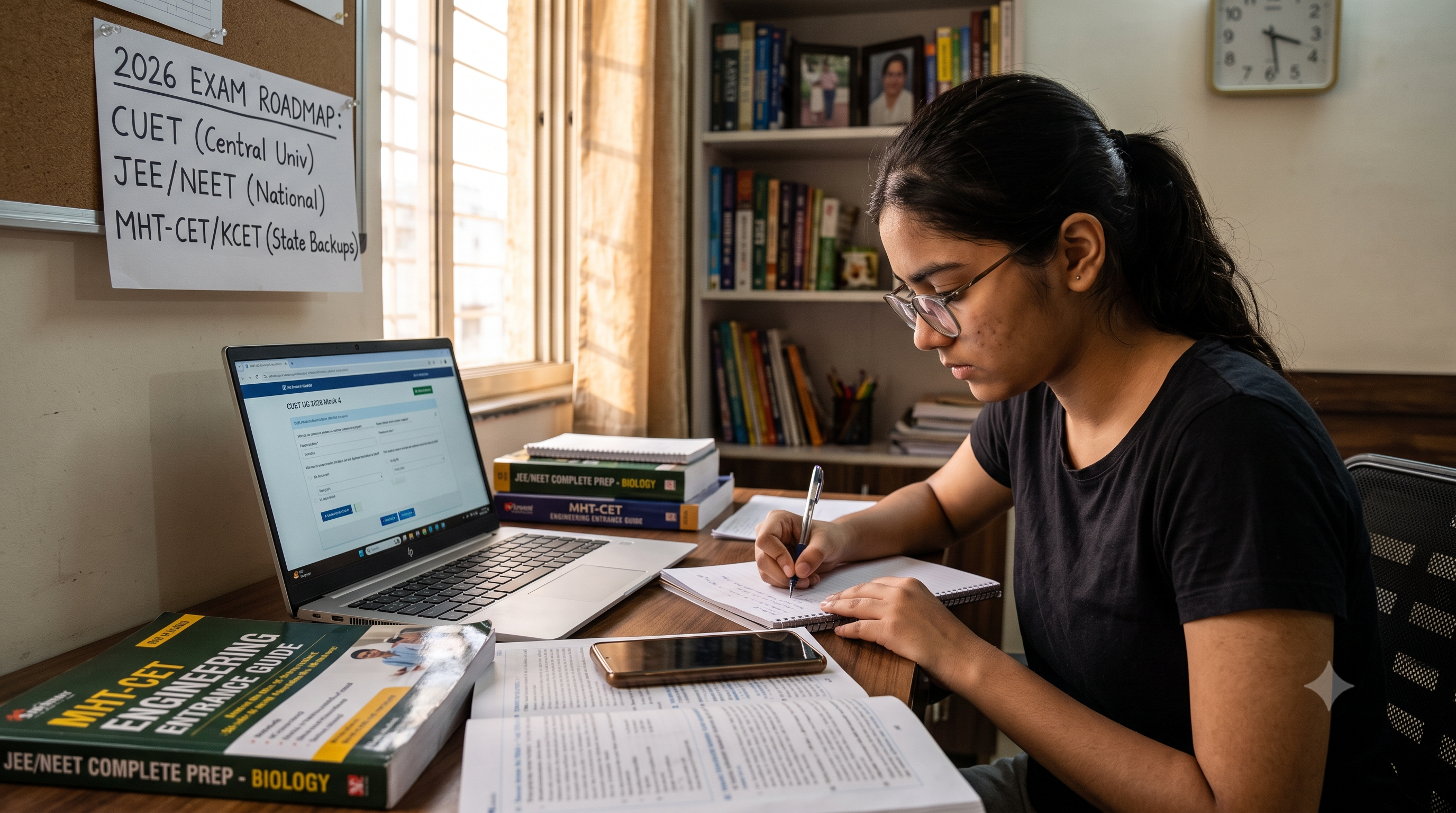
The competition for entrance exams like JEE, NEET, and CUET has never been fiercer. Students as young as 13 are enrolled in rigorous foundation courses. A 2025 analysis of student mental health revealed that 37% of college-goers blame academic stress for their depressive symptoms. The fear of disappointing parents and the hyper-focus on board exam marks often turn learning into a source of dread rather than joy.
2. The Digital Overload
While the average Indian teenager gets their first smartphone at 16.5 years old, their screen time is largely dominated by social media and gaming. This digital reality creates an illusion of connection while actually shrinking real-world social spaces. Constantly comparing their behind-the-scenes lives to the highlight reels of their peers on Instagram leaves teenagers feeling inadequate and lonely.
3. The Broken Support System
The National Mental Health Survey estimates India's mental health treatment gap at an alarming 70-92%. With less than one psychiatrist per lakh population, most students simply do not have access to professional help when they need it most.
The Supreme Court's 2025 Mandate: A Wake-Up Call for Schools
The situation reached a boiling point recently, prompting legal intervention. In July 2025, the Supreme Court of India issued 15 binding mental health guidelines for all educational institutions across the country.
Here is what the Supreme Court mandated for schools and colleges:
Mandatory Counselors: Every institution with over 100 students must appoint at least one qualified mental health counselor.
Ban on Segregation: Schools can no longer segregate students into different sections based purely on their academic performance or marks—a practice that heavily damaged student self-esteem.
Staff Training: Teachers and staff must undergo biannual training to identify early warning signs of distress in classrooms.
When you use DextroCampus to shortlist schools for your child, we highly recommend visiting the campus and asking their administration about how they are implementing these very guidelines. A school’s mental health infrastructure is just as critical as its physics lab.
Red Flags: Signs Your Child Might Be Silently Struggling
Teenagers are notoriously private, but distress always leaves footprints. As a parent, you are your child's first line of defense. Keep an eye out for these subtle shifts:
Sudden Academic Drops: A sudden, unexplained plunge in grades or a loss of interest in a favorite subject.
Drastic Sleep Changes: Either suffering from insomnia or sleeping excessively to escape reality.
Social Withdrawal: Locking themselves in their room for hours, refusing to meet friends, or dropping out of sports and extracurriculars they once loved.
Physical Symptoms: Frequent, unexplained stomach aches or headaches, particularly on Sunday nights or right before school.
Extreme Irritability: Emotional outbursts that seem disproportionate to the situation.
Bridging the Gap: What Parents Can Do Today
You don't need to be a trained therapist to support your child; you just need to be an observant, empathetic parent.
Shift the Dinner Table Conversation
Stop asking, "How much did you score on the math test?" Start asking, "What was the best part of your day today?" Normalize talking about failure. Share stories of times you failed in your career or exams and how you bounced back. Show them that your love is unconditional, not transactional based on their GPA.
Encourage Peer Support
Adolescents often turn to their friends before they turn to adults. In late 2025, UNICEF India and the Ministry of Health launched the 'I Support My Friends' initiative. Encourage your child to be a good listener to their peers and to speak up to a trusted adult if they notice a friend is struggling.
Choose the Right Educational Environment
This is perhaps the most crucial step. A toxic school culture can undo years of positive parenting. Look for schools that integrate social-emotional learning (SEL) into their core curriculum and have a robust anti-bullying policy.
At DextroCampus, we are committed to helping you look beyond the brochures. We help parents find institutions that strike the perfect balance between academic rigor and holistic, mental well-being. Because at the end of the day, a successful student is, first and foremost, a healthy and happy child.
Ready to find a school that truly supports your child's holistic growth? Explore trusted schools on dextrocampus.com today! ---
Tags:
Get Weekly Insights
Join 10k+ parents getting smarter about education.