
From Theory to Hands-On: Unleashing the Power of Project-Based Learning
The Problem with Traditional Learning (and the Exciting Solution)
Remember the dull drone of lectures? The frantic memorisation for exams? That's often what traditional education feels like – passive, disconnected, and let's face it, sometimes a bit boring for our energetic kids. We all want our children to be truly engaged, curious, and equipped with skills for the real world, not just expert test-takers. This is where Project-Based Learning (PBL) steps in, offering a dynamic and exciting alternative.
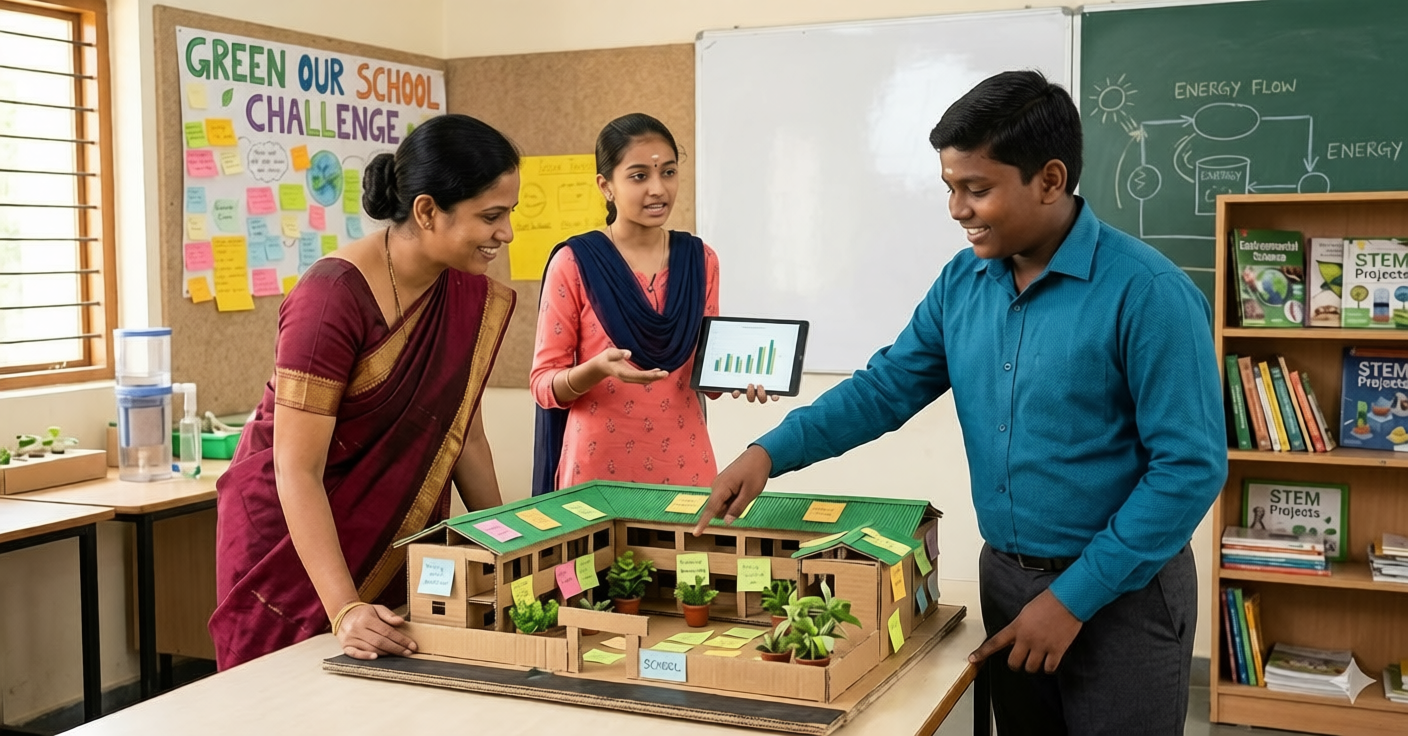
Instead of just hearing about science concepts, what if your child built a working model of a water filtration system? Instead of reading about history, what if they created a documentary interviewing local elders about their community's past? That's the essence of PBL – it’s hands-on, meaningful, and deeply engaging.
According to a report by the World Economic Forum, 65% of children entering primary school today will ultimately end up working in completely new job types that don't yet exist. This highlights the critical need for skills that go beyond rote memorisation. PBL, with its focus on collaboration, critical thinking, problem-solving, and creativity, directly addresses this need.
The Transformative Benefits of PBL for Your Child
So, why should you, as a parent, care about PBL? The benefits are truly profound and far-reaching:
- Boosts Deep Understanding: Students don't just memorise facts; they apply them. When children solve real-world problems through projects, they develop a profound and lasting grasp of the subject matter.
- Develops Critical 21st Century Skills: Collaboration, communication, critical thinking, and creativity are the cornerstones of success in today's (and tomorrow's) world. PBL naturally fosters all these skills as students work together, navigate challenges, and express their findings.
- Ignites Passion and Curiosity: When learning is driven by a question or problem they find interesting, children become inherently motivated. They take ownership, ask questions, and genuinely enjoy the process of discovery.
- Prepares for Real-World Challenges: Projects often mirror real-life scenarios. Students learn to manage time, resources, and deadlines, effectively preparing them for higher education and their future careers.
At DextroCampus (dextrocampus.com), we're passionate about connecting parents with schools that foster this kind of innovative learning.
PBL in Action: What it Looks Like in Indian Classrooms
The exciting news is that Project-Based Learning isn't just a distant concept; it's actively making waves right here in India. With the introduction of the National Education Policy (NEP) 2020, there's a strong emphasis on experiential and competency-based learning, creating a perfect environment for PBL to thrive in schools following various boards – CBSE, ICSE, and even state boards.
Picture a science classroom: instead of just learning about plant life from a textbook, students work in groups to design and tend to a small rooftop garden. They measure growth, investigate the best conditions, and even create a presentation about their findings.
Or a history class: students might research a local historical monument, interview experts, and create a podcast series detailing its significance to their community.
This type of learning is far from passive. It's vibrant, collaborative, and most importantly, it makes learning stick.
For parents searching for schools in their city that champion innovative approaches like Project-Based Learning, DextroCampus (dextrocampus.com) provides comprehensive resources and easy comparison tools to help you find the perfect educational environment for your child's unique needs. We believe every child deserves the opportunity to thrive through engaging and meaningful education.
How You Can Encourage PBL at Home
PBL isn't confined to school hours. As parents, you can nurture this curious and problem-solving mindset at home with simple, everyday activities:
- Turn 'Why?' into a Project: When your child asks "Why does it rain?", don't just give the answer. Say, "That's a great question! Let's find out together." Read books, watch documentaries, and maybe even build a simple rain gauge.
- Encourage Real-World Problem Solving: Notice a problem around the house? Maybe the plants are looking wilted or you're always losing car keys. Ask your child, "How could we fix this?" Let them brainstorm and implement solutions.
- Support Passion Projects: Does your child love drawing, building with LEGOs, or cooking? Encourage them to turn their interest into a mini-project. They could research different drawing techniques, build a complex structure, or create their own recipe book.
- Make it Collaborative: Projects can be even more fun with friends or siblings! Encourage collaboration, sharing ideas, and working together to achieve a common goal.
It’s often these simple, hands-on experiences that truly make a difference in a child’s educational journey. For additional structured resources and engaging online courses, explore DX Coaching (dx-coaching.web.app), designed to support Indian students in developing essential real-world skills through guided learning. We're committed to empowering every child, both inside and outside the classroom.
PBL isn't just an educational trend; it's a vital approach to preparing our children for a dynamic and unpredictable future. By embracing and supporting this powerful methodology, both in schools and at home, we can ignite a lifelong love for learning and help our kids develop the skills they need to navigate and succeed in the world.
Ready to explore schools near you that champion Project-Based Learning? Start your search on DextroCampus (dextrocampus.com) today!
Tags:
Get Weekly Insights
Join 10k+ parents getting smarter about education.


