How Telangana is Revamping Education Leadership: From Classroom Teachers to Top Officials
.png?alt=media&token=ba818e1f-d694-461a-8b6e-7928db472af8)
If you’ve been following India’s public education landscape, you’ve likely noticed a shift in how states approach systemic reform. Rather than focusing solely on infrastructure or curriculum updates, Telangana has taken a top-to-bottom approach to human capital—overhauling how it trains, mentors, and leads educators and administrators alike.
From equipping classroom teachers with structured pedagogy to transforming District and Mandal Educational Officers (DEOs and MEOs) into supportive mentors, here is a breakdown of how Telangana is modernizing its public education framework.
1. Upgrading the Trainers: Revitalizing SCERT & DIET Institutions
A training program is only as good as the people delivering it. To address talent gaps in state training bodies, Telangana recently initiated a merit-based recruitment drive to fill 202 specialized faculty positions across key training bodies, including:
- SCERT (State Council of Educational Research and Training)
- DIETs (District Institutes of Education and Training)
- CTEs & IASE (Colleges of Teacher Education & Institutes of Advanced Study in Education)
By selecting active Gazetted Headmasters and School Assistants through rigorous Computer-Based Tests (CBT), teaching demonstrations, and interviews, the state is injecting direct classroom experience back into its core teacher-training academies.
2. Moving from "Fault-Finding" to "Supportive Supervision"
Historically, administrative visits by Mandal Educational Officers (MEOs) or inspectors felt compliance-driven and punitive. Telangana has worked to shift this paradigm toward mentorship-driven supervision.
- Nodal Officer Cadre: Over 10,000 resource persons and senior Headmasters have been trained as Mandal and Cluster Nodal Officers.
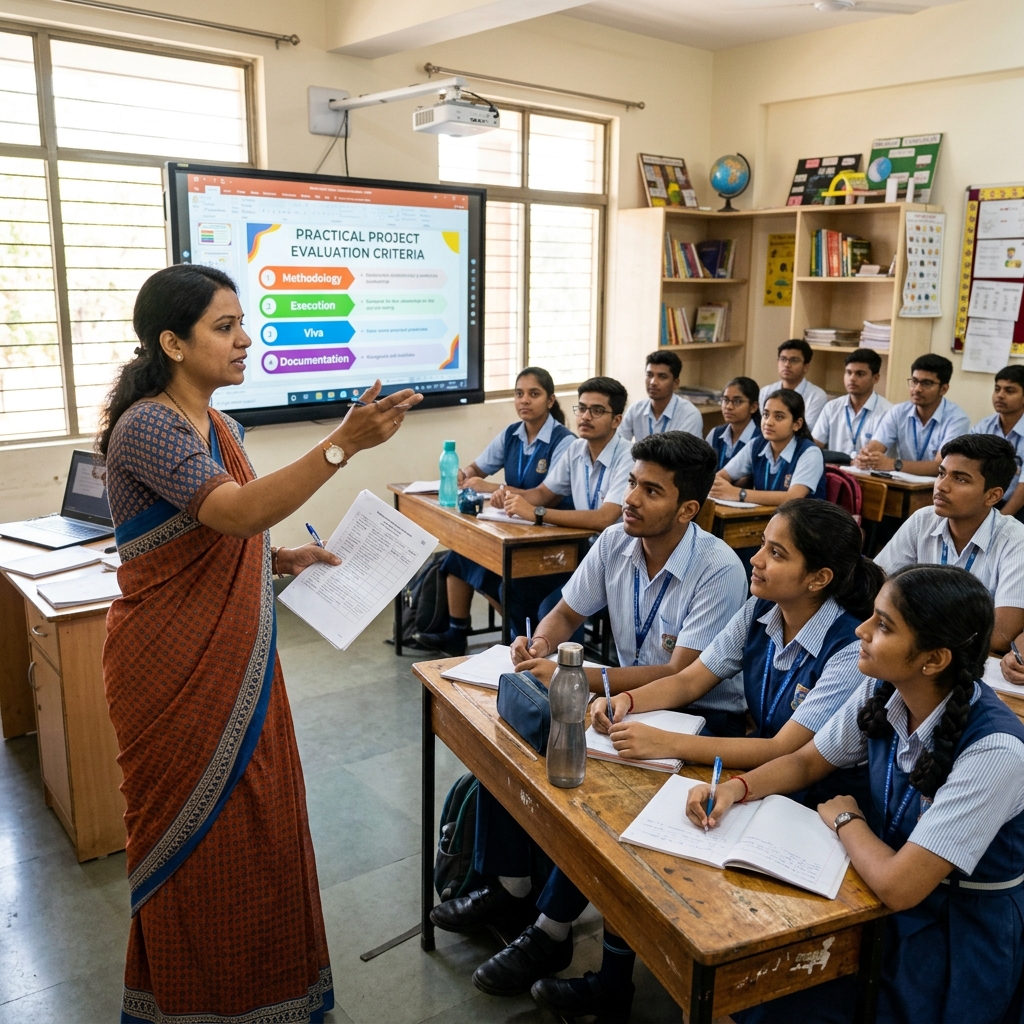
- Classroom-First Feedback: Instead of checking registers for errors, supervisors conduct structured classroom observations, spot assessments, and constructive coaching sessions.
- Outcome: Over 40,000 classroom observation sessions have been conducted, creating a non-punitive environment where teachers receive actionable feedback.
3. Structured Pedagogy for Foundational Learning (FLN)
Under its Foundational Literacy and Numeracy (FLN) mission, the state has rolled out standardized, actionable training for over 50,000 primary school teachers.
Key changes include:
- The "5+1" Model: 5 days of structured instruction followed by 1 day dedicated to student assessment and remediation.
- Standardized Teacher Handbooks: Giving teachers clear, day-by-day lesson frameworks rather than broad, theoretical objectives.
- Measurable Results: Post-training tests showed that over 67% of participating teachers demonstrated significant improvement in instructional clarity and pedagogical delivery.
4. Digital Governance & Data-Driven Management
Capacity building isn't limited to pedagogy; it extends to administrative efficiency. Through digital platforms like the Telangana School Education App, MEOs, Complex Headmasters (CHMs), and DEOs have been trained on real-time monitoring tools.
Example: Tracking Teaching-Learning Materials (TLMs) and textbooks used to take months of paper reporting. Today, end-to-end digital tracking allows officers to monitor delivery down to individual schools instantly, ensuring resources reach students on day one.
5. Global Exposure & Strategic Policy Vision
Telangana is also looking beyond local borders to expose its educational leaders to global best practices:
- International Study Tours: Delegations of educators and administrators have been sent abroad (e.g., to the Philippines and Singapore) to examine school governance, administrative efficiency, and modern classroom design.
- Telangana Education Commission: Formed under senior administrative leadership, the commission conducts extensive field consultations across all 33 districts to align teacher professional development with long-term socioeconomic goals.
Key Takeaway for Education Bloggers & Policy Watchers
Systemic educational reform rarely succeeds when imposed strictly from above or focused only on students. By treating teachers as professionals, administrators as mentors, and top officials as strategic leaders, Telangana’s multi-tiered capacity-building model offers a compelling blueprint for sustainable public school reform.
Tags:
Get Weekly Insights
Join 10k+ parents getting smarter about education.