The Rise of "Micro-Schools" in Indian Metros: Is a 10-Student Classroom Better?
.png?alt=media&token=78401081-03e4-4a6b-b03b-be37f823d320)
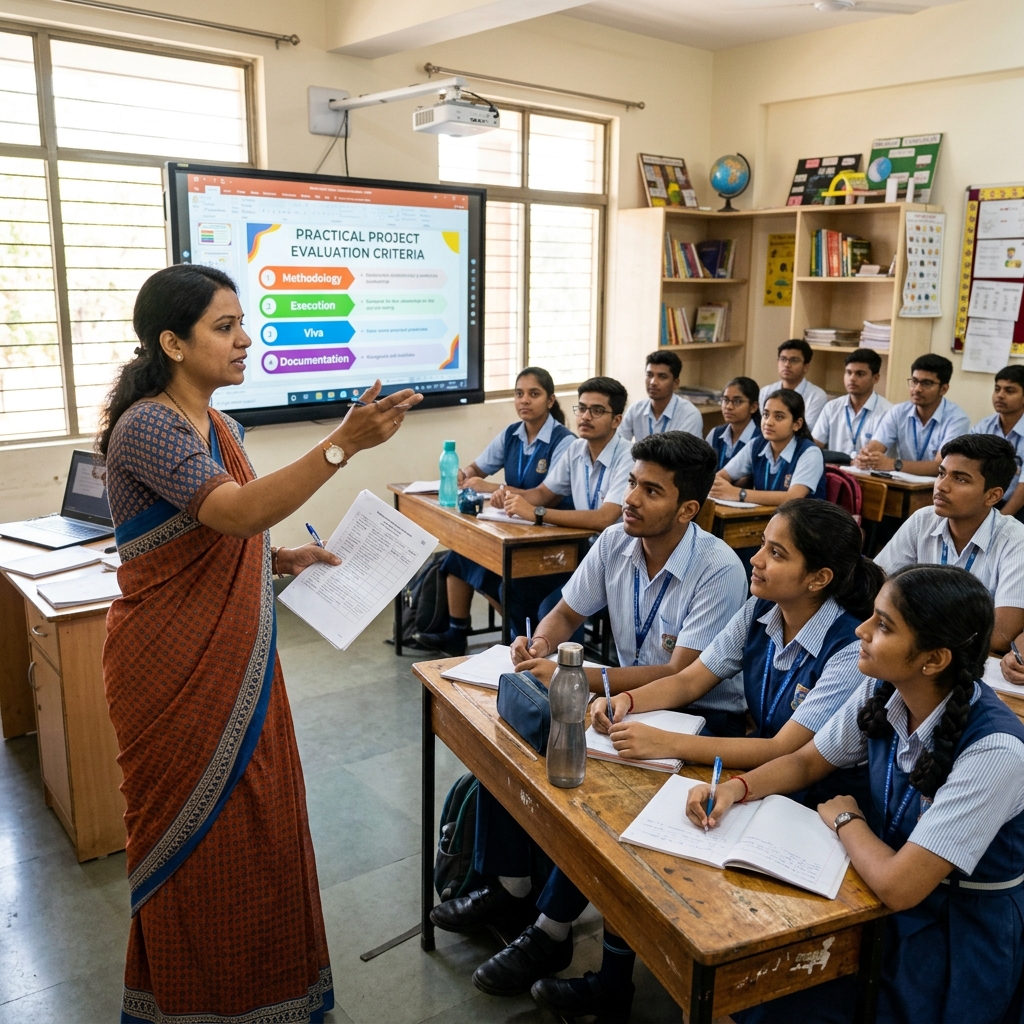
If you walked into a typical Indian classroom a decade ago, you knew exactly what to expect: forty to fifty students sitting in neat rows, a teacher at the blackboard, and a heavy emphasis on copying down notes. But today, if you peek into certain educational spaces in Bengaluru, Mumbai, Pune, or Hyderabad, you might see something radically different.
You might see just eight to ten children sitting in a circle, working collaboratively on a robotics project or discussing a storybook with their facilitator.
Welcome to the era of the "micro-school." Growing at an estimated 20% annually in India, this movement is quietly revolutionizing how we think about our children's education. But what exactly is a micro-school, and more importantly, is it a better choice for your child? Let’s break it down.
What Exactly is a Micro-School?
A micro-school is essentially a modern, hyper-personalized learning environment. Think of it as a middle ground between the individualized attention of homeschooling and the social environment of a traditional school.
Instead of a sprawling campus with thousands of students, micro-schools operate with total enrollments often under 50 to 100 students, and class sizes capped rigidly at 10 to 15 learners. Institutions like Comini Microschool in Mumbai or Dreamtime Learning Hub in Pune are pioneering this space by replacing the "one-size-fits-all" factory model with flexible, student-led exploration.
Why Are Metro Parents Making the Switch?
As a parent, you’ve likely felt the anxiety of your child getting "lost in the crowd" at a massive legacy school. This anxiety is exactly what is driving the micro-school boom in India's major cities.
1. Unmatched Personalized Attention
In a traditional setup, a teacher simply does not have the bandwidth to cater to 40 different learning speeds. In a micro-school, the 10-student limit means facilitators truly know your child. If your 8-year-old is a math whiz but struggles with reading out loud, the curriculum adapts to challenge them in numbers while gently building their reading confidence at their own pace.
2. Emotional Safety and Well-being
Post-pandemic, parents are prioritizing mental health as much as academics. The intimate setting of a micro-school drastically reduces bullying and academic anxiety. Children feel seen, heard, and emotionally safe, which brain science tells us is the mandatory first step for actual learning to happen.
3. Focus on "Future-Ready" Skills, Not Just Exams
Traditional schooling often prioritizes rote memorization for board exams. Micro-schools focus on what employers and the future world will actually demand: critical thinking, collaboration, digital literacy, and emotional intelligence. Learning is project-based and experiential.
The Difference: Traditional vs. Micro-Schooling
When comparing your options on DextroCampus, it helps to look at the practical differences:
- Age Groups: Traditional schools strictly segregate by age. Micro-schools often use mixed-age classrooms, encouraging older kids to mentor younger ones, which builds empathy and leadership.
- Assessment: Standardized tests and report cards are the norm in regular schools. Micro-schools often use portfolio-based assessments, tracking real growth, curiosity, and project execution instead of just marks out of 100.
- The Teacher's Role: Instead of an authoritative "instructor" delivering a lecture, teachers in micro-schools act as "facilitators" or mentors who guide students through their own inquiries.
Is a Micro-School Right for Your Child?
While the benefits are incredible, micro-schooling isn't for everyone.
If your child thrives in highly competitive environments, dreams of playing sports on massive school teams, or if you prefer the structured predictability of legacy CBSE or ICSE board ecosystems, a traditional top-tier school might still be your best bet. Furthermore, micro-schools can sometimes be premium-priced due to the incredibly low student-to-teacher ratio.
However, if your child feels overwhelmed by large crowds, possesses a deep, natural curiosity that feels stifled by rigid timetables, or if you simply believe that education should be a joyful exploration rather than a stressful race, this 10-student classroom model might be the breath of fresh air your family needs.
Making the Best Decision
Choosing a school is one of the most high-stakes decisions you will make for your child’s future. Whether you are leaning towards the established excellence of a legacy international school or the innovative intimacy of a micro-school, you don't have to figure it out alone.
At DextroCampus, we map out the specific philosophies, student-teacher ratios, and real parent reviews of schools across your city. We help you look past the glossy brochures to find the environment where your child will truly thrive.
Ready to explore the best traditional and alternative schooling options near you? Head over to dextrocampus.com today and let us help you find your child's perfect learning haven.
Tags:
Get Weekly Insights
Join 10k+ parents getting smarter about education.