Guidelines for parents and educators to ensure AI complements – not impedes – Learning.
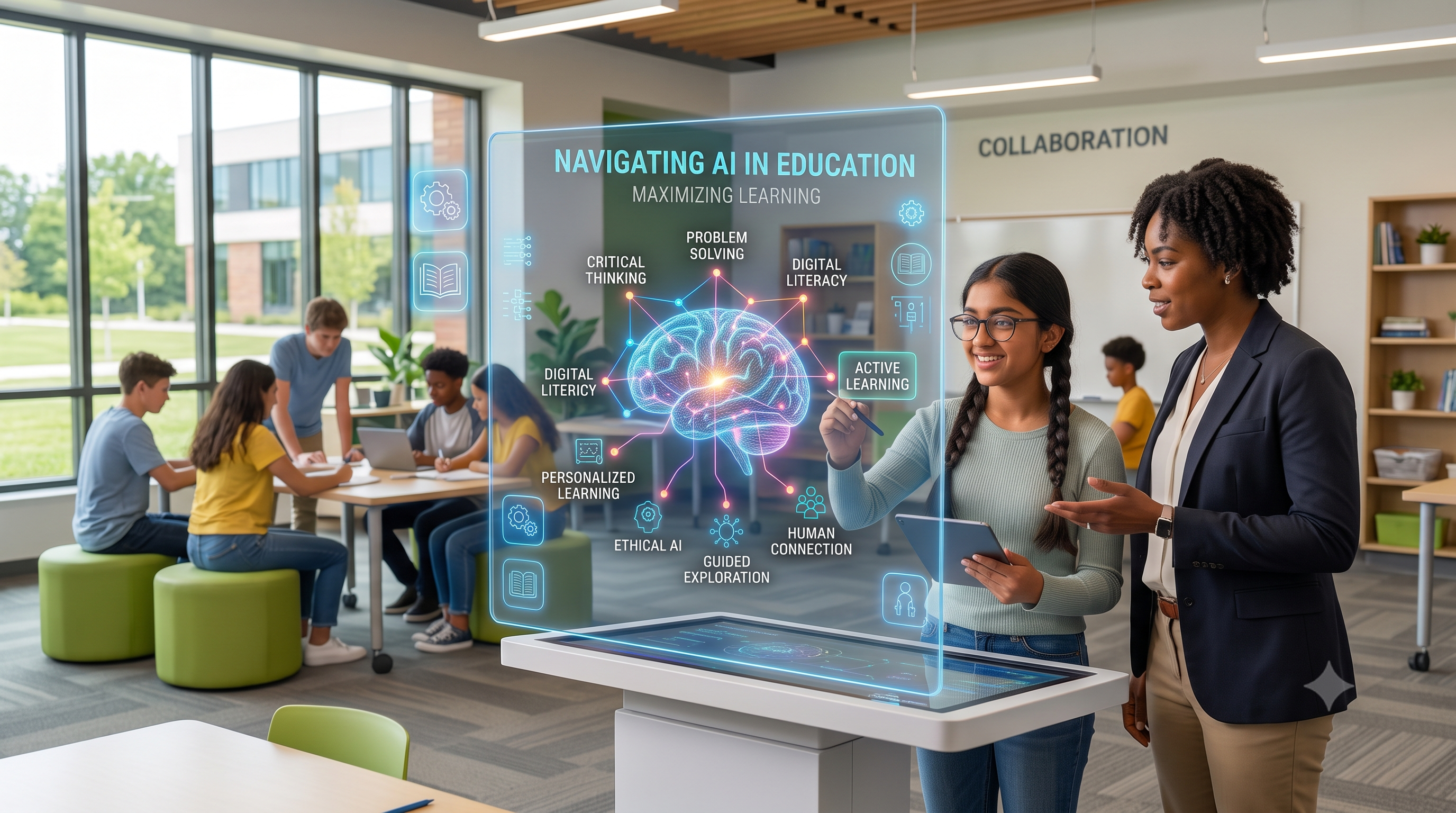
Artificial Intelligence is rapidly reshaping the educational landscape, offering unprecedented opportunities to personalize and enhance the learning experience. AI-powered tools can analyze an individual student's strengths, weaknesses, and learning pace, creating tailored study plans and adaptive content that traditional classroom settings often struggle to provide. For educators, these technologies assist in automating routine administrative duties, grading, and curriculum planning, thereby freeing up valuable time to focus on direct student engagement, mentorship, and creative instruction.
However, the integration of AI in education comes with significant responsibilities. One of the primary challenges for both parents and educators is ensuring that students view AI as a supportive supplement to their studies rather than a shortcut to completing assignments. When students rely excessively on automated tools to generate answers or write essays, they miss out on essential cognitive processes. Fostering a mindset that prioritizes active problem-solving, deep analysis, and original thought is crucial to ensuring that technology enhances, rather than undermines, learning.
To navigate this evolving environment effectively, digital literacy and ethical awareness must become core components of guidance at home and in the classroom. Students need to understand not only how to use AI tools, but also their limitations—including algorithmic bias, potential inaccuracies, and data privacy concerns. Educators and parents should collaborate to establish clear guidelines on acceptable AI usage, emphasizing academic integrity, critical evaluation of AI-generated content, and responsible digital citizenship.
Ultimately, while AI can deliver information and automate tasks with incredible efficiency, it cannot replicate the core human elements of education. Critical thinking, emotional intelligence, creativity, and interpersonal collaboration remain uniquely human traits that require nurturing through meaningful interaction. By acting as proactive guides, parents and educators can help students strike a balance—leveraging AI to expand their knowledge while continuing to develop the vital human skills required for lifelong success.
Tags:
Get Weekly Insights
Join 10k+ parents getting smarter about education.