
The Great Debate: Marks vs Skills—What Actually Matters in 2026?
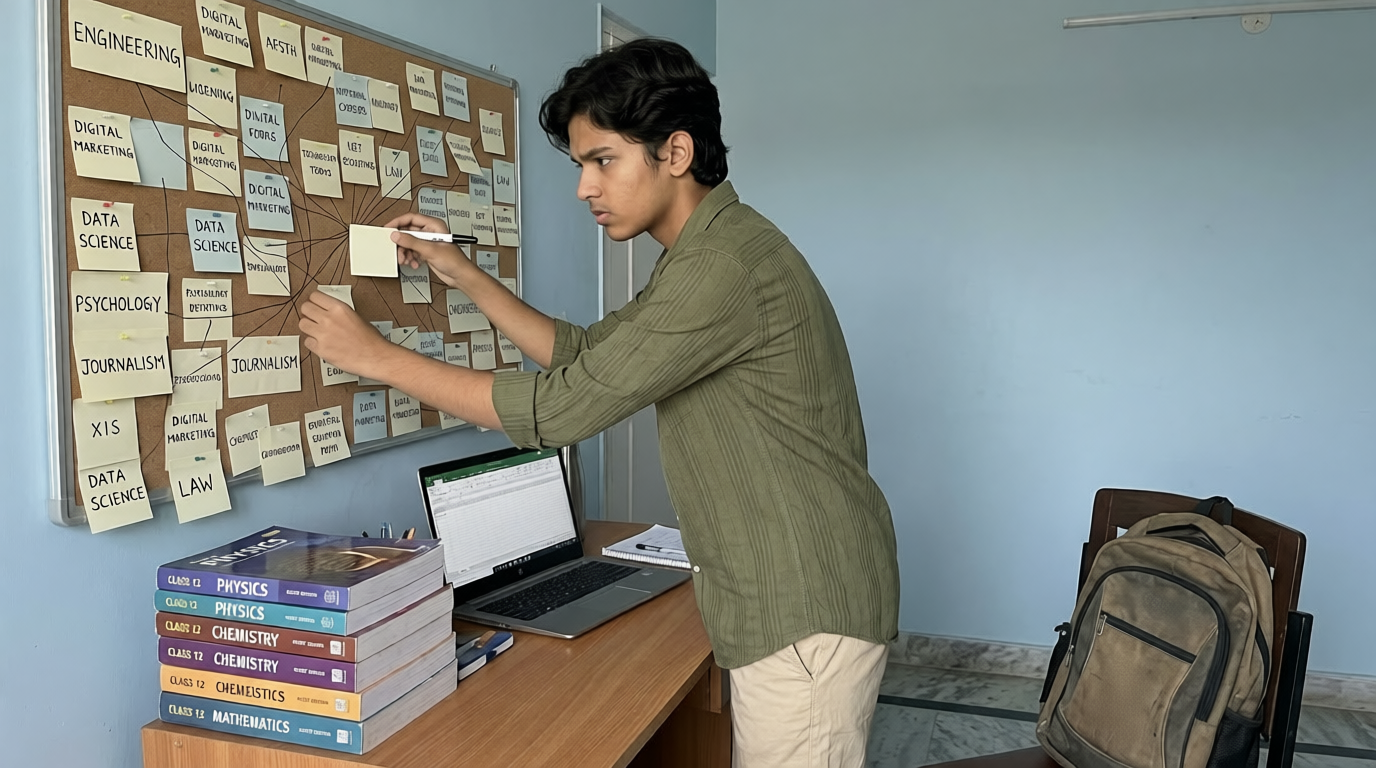
The Defining Question of Modern Indian Education
According to a 2023 report on youth employability in India, nearly 50% of graduates are considered unemployable by industry standards, despite holding degrees. This startling statistic cuts right to the heart of the "Marks vs Skills" debate that keeps Indian parents awake at night.
For decades, the path was clear: Score 90%+, secure admission to a prestigious college, and a successful career was guaranteed. But today, with the National Education Policy (NEP) 2020 emphasizing critical thinking and practical skills, and with top global employers ditching degree requirements, is that 98% in Class 12 still the golden ticket?
If you are struggling to guide your child through this shifting landscape, you are not alone. Let's break down the reality of marks versus skills and what actually matters for your child’s long-term success.
The Reality Check: Marks Still Open Doors
Let’s be honest. In India, marks are not going away anytime soon. While skills define long-term success, marks are the traditional gatekeepers.
A high score in Class 12 remains the primary criterion for admission into many of India's top colleges. Without these marks, doors to certain institutions and professional courses like medicine or engineering (via JEE/NEET) remain firmly closed.
For many parents and students, the pressure to perform in exams is an unfortunate necessity. If your child is struggling to meet these academic demands or needs structured guidance to bridge learning gaps, platforms like DX Coaching (dx-coaching.web.app) can provide the curated online courses needed to build the core academic skills that improve performance and boost confidence.
The Shift: Why Skills are the Real Currency
While marks open the door, it is skills that keep your child in the room—and help them thrive. The modern workplace is evolving rapidly. Artificial Intelligence is automating routine tasks, meaning the jobs of the future require uniquely human abilities:
- Critical Thinking and Problem-Solving: The ability to analyze information and find creative solutions is paramount.
- Adaptability and Lifelong Learning: The world changes fast; the ability to unlearn and relearn is more valuable than any single piece of knowledge.
- Digital Literacy and Technical Skills: From coding to data analysis, technical proficiency is non-negotiable in almost every field.
- Communication and Teamwork: The ability to collaborate effectively is a universal requirement for professional growth.
NEP 2020 recognizes this, aiming to transform Indian education from rote memorization to skill-based competency. The curriculum is gradually integrating vocational training, internships, and project-based learning to better prepare students for the real world.
Finding the Balance: It's Not 'Either/Or'
The most crucial realization for parents is that the debate shouldn't be "Marks vs Skills." It must be "Marks and Skills."
Thinking of them as conflicting goals is a mistake. A student who deeply understands a concept (a skill) will naturally perform better in an application-based exam (marks). Conversely, the discipline required to excel academically (a skill) is highly valued by employers.
Your goal as a parent is to ensure your child isn't sacrificing long-term capability for short-term scores. A child who achieves 99% but can't solve a practical problem or communicate effectively will struggle in a career that demands innovation and collaboration.
Practical Tips for Parents:
- Prioritize Conceptual Clarity: Move away from forcing rote memorization. Encourage your child to ask "why" and "how" things work. This builds fundamental problem-solving skills that translate into better exam performance.
- Encourage Extracurriculars: Sports, debate, theater, and student council are powerful skill-builders. They teach teamwork, leadership, resilience, and time management—all critical life skills.
- Use Academic Support Wisely: If your child is struggling with a subject, don't just push for more hours of rote study. Seek resources that focus on understanding. For example, DX Coaching (dx-coaching.web.app) offers curated online courses designed to help Indian students excel by focusing on real learning and skill application, not just test preparation.
- Have Honest Career Conversations: Discuss careers based on your child's interests and aptitudes, not just societal prestige. Research what skills are actually required in those fields today.
- Choose the Right Educational Environment: The foundation matters. Ensure your child is in a school that balances academic rigor with holistic development. This is where DextroCampus comes in. Our platform helps you discover and compare schools that align with your vision for your child’s balanced growth.
The DextroCampus Perspective: A Holistic Future
At DextroCampus, we understand the pressure Indian parents face. We also see the massive shift happening in the global and local job markets. The future belongs to the agile, the creative, and the skilled.
Marks are a milestone, but skills are the journey. By focusing on both, you give your child the tools to not just succeed in exams, but to thrive in life.
If you are ready to find an educational institution that understands this critical balance, explore DextroCampus today. We connect you with the best schools and colleges in India, ensuring you can make an informed decision for your child’s holistic development.
Visit DextroCampus (dextrocampus.com) now to find the perfect school or college that values both marks and skills.
Tags:
Get Weekly Insights
Join 10k+ parents getting smarter about education.


