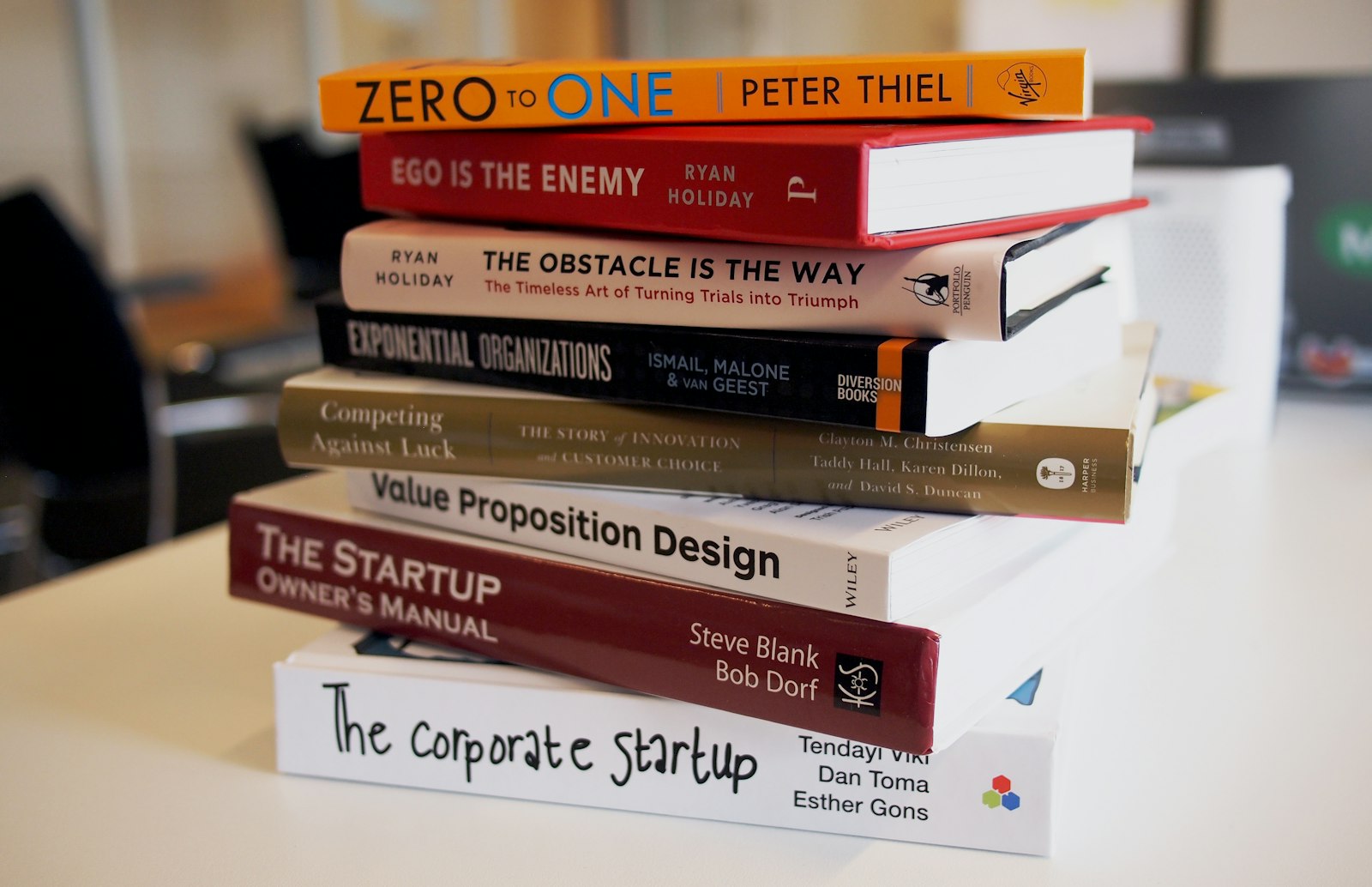
JEE Main 2027: 3-Month Fast-Track Revision & Priority List

Navigating the JEE Main 2027 Sprint: Strategic 3-Month Revision Blueprint for Peak Performance
Achieving a top percentile in JEE Main 2027 requires more than just knowledge; it demands an intelligent, time-bound revision strategy. This intensive 3-month fast-track timetable focuses on a chapter-wise priority list, enabling aspirants to maximize scores by concentrating on high-weightage topics and strengthening foundational concepts effectively. This guide provides a practical, actionable framework for the final crucial months of preparation for JEE Main 2027.
The Urgency of Precision: Why a Fast-Track Timetable is Non-Negotiable for 2027 Aspirants
The National Testing Agency (NTA) consistently emphasizes conceptual clarity and problem-solving aptitude in JEE Main. For the 2027 examination, with the competitive landscape intensifying, a generic revision approach is insufficient. A fast-track revision timetable, built around a meticulously identified chapter-wise priority list, becomes critical. It allows students to strategically allocate precious study hours, ensuring that high-yield topics are mastered and weak areas are systematically addressed, rather than passively reviewing the entire vast syllabus. This targeted approach is the cornerstone of converting effort into tangible score improvements.
Decoding Chapter Priority: The NTA's Blueprint for JEE Main 2027 Success
To optimize your JEE Main 2027 3-Month Fast-Track Revision Timetable, understanding the chapter-wise priority is paramount. This involves analyzing past year papers and official NTA trends to identify high-weightage topics across Physics, Chemistry, and Mathematics, allowing aspirants to allocate study time efficiently and ensure maximum score potential from their concentrated efforts.
Physics: High-Yield Concepts for Rapid Score Maximization in JEE Main 2027
For JEE Main 2027 Physics, the focus should be on topics that frequently appear and carry significant marks. These include Electrodynamics (Current Electricity, Electrostatics, Magnetism), Modern Physics (Dual Nature, Atoms, Nuclei, Semiconductors), Optics (Ray Optics, Wave Optics), and Mechanics (Rotational Motion, Gravitation, Work-Energy-Power). Prioritizing these modules ensures a strong base and higher probability of attempting more questions correctly.
Chemistry: Organic, Inorganic & Physical Weightage Distribution for JEE Main 2027
Chemistry in JEE Main 2027 often acts as a score booster.
- Organic Chemistry: General Organic Chemistry (GOC), Hydrocarbons, Alcohols & Phenols, Aldehydes & Ketones, and Amines are consistently high-weightage. Name reactions and mechanism understanding are key.
- Inorganic Chemistry: Chemical Bonding, p-Block Elements, Coordination Compounds, and S-block Elements are crucial. NCERT mastery is non-negotiable here.
- Physical Chemistry: Chemical Kinetics, Electrochemistry, Thermodynamics, Solutions, and Atomic Structure are foundational. Numerical problem-solving practice is essential.
Mathematics: Calculus, Algebra, and Coordinate Geometry Focus Areas for JEE Main 2027
Mathematics typically demands rigorous practice. For JEE Main 2027:
- Calculus: Differential Calculus (Limits, Continuity, Differentiability), Integral Calculus (Definite and Indefinite Integrals, Area under curves), and Differential Equations are critical.
- Algebra: Quadratic Equations, Complex Numbers, Permutations and Combinations, Binomial Theorem, and Matrices & Determinants are high-scoring.
- Coordinate Geometry: Straight Lines, Circles, Parabola, Ellipse, and Hyperbola form a significant chunk. Vector Algebra and 3D Geometry also hold considerable weight.
| Subject | High Priority Chapters (Estimated 60-70% Questions) | Medium Priority Chapters (Estimated 20-25% Questions) | Low Priority Chapters (Estimated 5-10% Questions) |
|---|---|---|---|
| Physics | Current Electricity, Electrostatics, Modern Physics, Optics, Thermodynamics, Rotational Motion | Kinematics, Work-Energy-Power, Gravitation, Waves, Magnetism, SHM | Units & Dimensions, Experimental Skills, Properties of Matter |
| Chemistry | Chemical Bonding, GOC, p-Block, Solutions, Chemical Kinetics, Coordination Compounds, Aldehydes & Ketones | Atomic Structure, Electrochemistry, Hydrocarbons, Thermodynamics, Biomolecules, Polymers, Amines | Environmental Chemistry, Chemistry in Everyday Life, Metallurgy |
| Mathematics | Calculus (Differential & Integral), Quadratic Equations, Straight Lines, Circles, Matrices & Determinants, Vectors & 3D Geometry | Complex Numbers, P&C, Binomial Theorem, Sequences & Series, Probability, Parabola/Ellipse/Hyperbola | Mathematical Reasoning, Statistics, Height & Distance |
Crafting Your Daily Revision Cadence: A Week-by-Week Deployment Strategy for JEE Main 2027
A well-structured daily and weekly revision cadence is essential for the JEE Main 2027 3-month fast-track timetable, ensuring consistent progress and preventing burnout. This deployment strategy breaks down the 90 days into three distinct phases, each with specific objectives for concept reinforcement, advanced problem-solving, and final performance optimization.
Phase 1 (Month 1): Core Concept Reinforcement & Weak Area Fortification
The first month of your JEE Main 2027 fast-track revision should primarily focus on solidifying core concepts from the high-priority list and addressing identified weak areas.
- Weeks 1-2: Physics & Chemistry Fundamentals. Dedicate 2-3 hours per subject daily. Review NCERT textbooks thoroughly for Inorganic Chemistry and foundational Physics concepts. Solve basic to intermediate problems from high-priority chapters.
- Weeks 3-4: Mathematics & Organic Chemistry. Shift focus to foundational Maths chapters (Algebra, Coordinate Geometry) and Organic Chemistry basics (GOC, Isomerism, Hydrocarbons). Practice a mix of conceptual questions and basic numerical problems.
- Daily Schedule:
- Morning (3 hours): New concept review + problem-solving (e.g., Physics)
- Afternoon (2.5 hours): Another subject's concept review + problem-solving (e.g., Chemistry)
- Evening (1.5 hours): Mathematics practice + short concept revision/notes review
- Night (30 mins): Daily recap of what was studied.
"Consistency in reviewing concepts and practicing targeted problems is more effective than sporadic, long study sessions. Break down the syllabus into manageable chunks." - Education Ministry Guidelines, 2027 for competitive exam preparation.
Phase 2 (Month 2): Advanced Problem Solving & Mock Test Integration for JEE Main 2027
The second month is crucial for elevating problem-solving skills and integrating mock tests into your JEE Main 2027 timetable.
- Weeks 5-6: Advanced Physics & Physical Chemistry. Tackle complex problems in Electrodynamics, Modern Physics, Thermodynamics (Physical Chem), and Electrochemistry. Begin solving previous year JEE Main papers for these topics.
- Weeks 7-8: Advanced Mathematics & Mixed Subject Revision. Focus on Calculus (Differential & Integral), Vectors & 3D Geometry. Introduce 2-3 full-length mock tests per week, followed by thorough analysis.
- Mock Test Strategy:
- Simulate exam conditions (same time slot, no breaks).
- Analyze every incorrect and unattempted question. Understand the conceptual gap or silly mistake.
- Maintain an error log to track recurring mistakes and conceptual weaknesses.
Case Study 1: Anjali's Turnaround - Leveraging Priority Chapters in Tier-2 City Preparation for JEE Main 2027
Anjali, an aspirant from Nashik, found herself overwhelmed with the vast JEE Main 2027 syllabus just three months before the exam. Her mock test scores were stagnant around 100-120. Instead of attempting to cover every topic, she adopted the chapter-wise priority list strategy from DextroCampus. She meticulously focused on high-weightage topics like Modern Physics, Chemical Bonding, GOC, and Calculus. For 6-8 hours daily, she dedicated 70% of her time to these priority areas, solving previous year's questions and NCERT examples, and 30% to moderate-priority chapters. Within six weeks, her scores jumped to 180-200, primarily because she was able to confidently attempt most questions from high-scoring sections. Her dedication to this focused approach ultimately secured her a seat in a respectable NIT.
Phase 3 (Month 3): Strategic Refinement & Performance Optimization for JEE Main 2027
The final month before JEE Main 2027 is for fine-tuning, strengthening weaknesses, and building exam temperament.
- Weeks 9-10: Intensive Mock Testing & Weakness Annihilation. Increase mock tests to 3-4 per week. Use the error log to revise only those specific concepts or problem types where mistakes are frequent. Avoid learning new topics.
- Weeks 11-12: Revision of Revision Notes & Formulae. Focus purely on quick revisions of self-made notes, formulae, and important reactions. Practice short, timed quizzes on specific chapters. Maintain a positive mindset and focus on accuracy.
- Last Week: Calm & Confidence Building. No new topics. Light revision of formulae, theory, and quick mental run-through of problem-solving approaches. Focus on sleep, nutrition, and stress management.
Beyond Syllabus Mastery: Integrating Mock Tests and Performance Analytics for JEE Main 2027
Simply completing the syllabus and revising priority chapters is not enough for JEE Main 2027; effective preparation requires rigorous mock test practice combined with detailed performance analytics. This dual approach helps identify weak areas, refine time management, and build exam-day temperament, turning raw knowledge into a high-scoring performance.
The Power of Simulated Environments: NTA Mock Tests and Previous Year Papers
Regularly attempting NTA-provided mock tests and previous year's JEE Main papers (PYQs) is non-negotiable. These resources offer the most accurate simulation of the actual exam environment for JEE Main 2027, including question patterns, difficulty levels, and time constraints. Aspirants should treat each mock test as the real exam, adhering to the stipulated duration and conditions. Post-test analysis is more important than the score itself, helping to pinpoint conceptual gaps and test-taking inefficiencies. Official NTA practice papers can be accessed via NTA's official website.
Data-Driven Improvement: Analyzing Errors and Refining Strategy for JEE Main 2027
Post-mock test analysis is a critical component of the JEE Main 2027 3-Month Fast-Track Revision Timetable.
- Categorize Errors: Identify if errors are due to conceptual misunderstanding, silly calculation mistakes, lack of practice, or time management issues.
- Time Management Review: Analyze time spent per question. Were easy questions skipped? Was too much time spent on difficult ones?
- Identify Strong & Weak Areas: Note down chapters where performance is consistently good and those requiring more attention.
- Strategy Refinement: Based on analysis, adjust your revision plan for the upcoming week. Dedicate more time to weak areas and practice specific question types.
Case Study 2: Rahul's Data-Driven Ascent - From Average Scores to Top Percentile in JEE Main 2027
Rahul, from Bengaluru, was a diligent student but struggled to break the 90 percentile mark in his initial JEE Main 2027 mock tests. His problem wasn't a lack of knowledge, but inconsistent performance and poor time allocation. He began meticulously logging his mock test performance, noting down the type of error, the chapter, and the time taken for each question. His analysis revealed a pattern: he spent too much time on complex Physics problems, often neglecting easier Chemistry questions, and made recurrent calculation mistakes in Calculus. Armed with this data, he adjusted his fast-track timetable for JEE Main 2027 to include dedicated speed-solving drills for Chemistry, allocated specific slots for calculation practice, and developed a strategy to attempt Chemistry first in the exam. This data-driven approach, coupled with consistent practice, saw his percentile climb to 99+ in the actual JEE Main 2027, proving the power of analytical self-assessment.
Sustaining Momentum: Mental Resilience and Well-being for the JEE Main 2027 Final Lap
The intense pressure of the JEE Main 2027 3-month fast-track revision can take a toll on mental and physical health. Sustaining momentum requires not just academic rigor but also a conscious effort towards mental resilience, stress management, and maintaining overall well-being. This holistic approach ensures peak cognitive function and prevents burnout in the crucial final phase.
The Critical Role of Breaks and Mindfulness in High-Stakes Exam Preparation
Incorporating regular, short breaks into your JEE Main 2027 revision timetable is crucial for maintaining focus and preventing mental fatigue. Studying for extended periods without breaks can lead to diminishing returns.
- Pomodoro Technique: Study for 25 minutes, break for 5 minutes. After four cycles, take a longer 15-30 minute break.
- Mindfulness & Relaxation: Engage in short meditation sessions, deep breathing exercises, or simply walk away from your study desk for a few minutes. This helps to clear the mind and reduce anxiety.
- Hobbies: Dedicate 30-60 minutes daily to a non-academic hobby like playing an instrument, sketching, or light reading. This provides a much-needed mental diversion.
Nutritional Strategies and Sleep Hygiene for Peak Cognitive Function During JEE Main 2027 Prep
Your diet and sleep patterns significantly impact your cognitive abilities, memory, and energy levels during the JEE Main 2027 preparation.
- Balanced Diet: Prioritize nutrient-rich foods – fruits, vegetables, whole grains, and lean proteins. Avoid excessive sugar, processed foods, and unhealthy fats which can lead to energy crashes. Stay hydrated with ample water.
- Consistent Sleep Schedule: Aim for 7-8 hours of quality sleep every night. Going to bed and waking up at the same time, even on weekends, regulates your body's internal clock and optimizes brain function. Avoid late-night study sessions that disrupt your sleep cycle.
- Avoid Caffeine Overload: While a cup of coffee can provide a temporary boost, relying heavily on caffeine can lead to sleep disturbances and increased anxiety.
Frequently Asked Questions About JEE Main 2027 Fast-Track Revision
Q1: How strictly should I follow the JEE Main 2027 3-month fast-track revision timetable?
A1: While the timetable provides a robust framework, it should be adapted to your individual strengths and weaknesses. The key is to adhere to the core principles of prioritizing high-weightage chapters and consistent practice, adjusting daily slots as needed based on your performance in mock tests and specific learning requirements for JEE Main 2027.
Q2: Can I still cover the entire JEE Main 2027 syllabus in three months if I start now?
A2: Attempting to cover the *entire* syllabus from scratch in three months for JEE Main 2027 is highly ambitious and often counterproductive. The fast-track strategy focuses on intelligent selection of high-priority chapters (approximately 70-80% of the syllabus by weightage) to maximize scores. It's about quality and strategic coverage, not necessarily 100% breadth.
Q3: How many mock tests should I aim for in the last month before JEE Main 2027?
A3: In the final month leading up to JEE Main 2027, it is advisable to attempt 3-4 full-length mock tests per week. Crucially, each mock test must be followed by a thorough analysis of errors and time management, which is more beneficial than simply taking numerous tests without review.
Q4: What if I find a high-priority chapter extremely difficult even after focused revision for JEE Main 2027?
A4: If a high-priority chapter remains challenging, identify the specific sub-topics causing difficulty. Focus on mastering the easier sub-topics within that chapter and understanding core concepts. Do not get bogged down; solve previous year questions only from the manageable parts and move on. Sometimes, leaving a few extremely complex sub-topics to solidify others is a better strategy for JEE Main 2027.
Ready to Supercharge Your JEE Main 2027 Preparation?
Implement this detailed 3-month fast-track revision timetable and chapter-wise priority list for JEE Main 2027 to optimize your study efforts. For personalized guidance, advanced problem sets, and expert mentorship, explore comprehensive programs and resources at DextroCampus. Transform your potential into a high percentile!
Tags:
Get Weekly Insights
Join 10k+ parents getting smarter about education.