
The 'iPad vs. Pencil' Debate: Is Your Child's School Tech-Savvy or Just Tech-Obsessed?
.png?alt=media&token=c9d33466-9cfd-49f6-b63f-8ed8598a6dc7)
We’ve all seen the shiny school brochures. A smiling child in a crisp uniform, sitting in an air-conditioned classroom, tapping away at a sleek tablet. It looks like the future. But as a parent, when you see that image, a quiet anxiety probably stirs in your stomach: Is my child actually learning, or are they just staring at yet another screen?
If you are worried about the digital takeover of your child’s education, you are not alone. According to the latest ASER 2024 report, while 90% of Indian teenagers now have access to smart devices, 76% use them primarily for social media, compared to just 57% for educational activities.
At DextroCampus, we speak to thousands of parents every month who are navigating the maze of school admissions. One of the most common questions we hear is: "Should I choose a school that uses iPads and smartboards, or one that sticks to traditional notebooks?"
The truth is, the best schools in India are doing neither exclusively. They are finding the delicate balance between the iPad and the pencil. Here is how you can tell if a school is getting digital learning right, or if they are just using screens as high-tech babysitters.
The Illusion of the "Smart" Classroom
In the race to appear modern, many schools have rushed to digitize their classrooms. They replace heavy textbooks with PDFs on tablets and swap blackboards for interactive digital panels. On the surface, it looks impressive during a campus tour.
But parents are waking up to the "Multitasking Trap." A student might have a tablet open for a history assignment, but they are constantly battling the urge to switch tabs to YouTube or chat apps. Furthermore, passive consumption—simply reading a digital textbook or clicking through a multiple-choice quiz—does not equate to deep learning.
If a school's idea of "tech integration" is just having children stare at a screen instead of a physical book, they aren't tech-savvy. They are just replacing a harmless piece of paper with a device that drains your child's attention span.
The NEP 2020 Mandate: Creators, Not Consumers
The National Education Policy (NEP) 2020 has a very clear vision for technology in Indian schools. The goal is not to create a generation of passive screen addicts. The mandate focuses heavily on Computational Thinking—teaching children how to solve problems, understand algorithms, and use logic, starting as early as Grade 3.
A truly tech-savvy school uses digital tools to help students create.
- Are they using block-based coding to build simple games?
- Are they using digital design tools to map out science projects?
- Are they learning how to research safely and spot fake news?
Technology should be an active tool, like a paintbrush or a microscope. It should never be a passive pacifier. When you are comparing schools on DextroCampus, look beyond the "Smart Class" label and ask how the technology is being used.
The Global Reversal: Why the Pencil is Making a Comeback
Here is a fascinating trend that most Indian schools won't tell you about during admissions: much of the developed world is currently hitting the brakes on digital-only learning.
Countries like Sweden, which once heavily invested in digital classrooms, are now spending over $120 million to bring printed textbooks and handwriting back into their schools. Why? Because research is proving what parents have instinctively known all along: typing is not the same as writing.
Neurological studies show that writing by hand builds stronger neural pathways. The physical friction of a pencil on paper forces a child to slow down, process information, and summarize it. Typing on a glowing screen often turns into mindless transcription. The physical act of writing is crucial for memory retention, spelling, and fine motor skills, especially in primary years.
The PRAGYATA Guidelines: Does Your School Care About Eye Strain?
The Indian Ministry of Education is highly aware of the dangers of screen fatigue. They released the PRAGYATA guidelines, which explicitly cap screen time for students. For instance, the guidelines recommend a maximum of 1.5 hours of online/digital learning per day for primary students (Classes 1-8).
Schools that get digital learning right strictly adhere to these health guardrails. They understand that a child's eyes and developing brain need breaks. They prioritize physical sports, face-to-face debates, hands-on science experiments, and art over uninterrupted screen time.
3 Questions Every Parent Must Ask Before Admission
Before you pay the admission fee, don't just nod when the principal mentions their "state-of-the-art tech lab." Ask these three revealing questions:
1. "What is your school's policy on handwriting and physical notebooks?"
The right answer should emphasize a strong foundation in physical writing, especially for younger years, using technology only as a supplementary tool for older students.
2. "How do you prevent digital distraction in the classroom?"
Listen for answers that talk about supervised usage, offline device modes, and teaching students digital etiquette, rather than just "we block certain websites."
3. "Do you follow the PRAGYATA guidelines for screen time?"
If the admission counselor looks confused by this question, it is a massive red flag that the school prioritizes tech-gimmicks over student well-being.
Making the Right Choice for Your Child
There is no escaping technology in the 21st century, nor should we want to. But your child's school should be a place where they learn to master technology, not become enslaved by it.
Finding a school that strikes the perfect balance between the iPad and the pencil doesn't have to be overwhelming. Let DextroCampus do the heavy lifting for you. Our platform allows you to compare schools based on their actual teaching methodologies, infrastructure, and parent reviews, ensuring you make a confident, informed decision.
Visit dextrocampus.com today to explore the best schools in your city that are getting digital learning right.
Tags:
Get Weekly Insights
Join 10k+ parents getting smarter about education.
Read Next

How to Choose the Right School Transport Option for Your Child in 2027: Safety, Cost & Convenience Guide
8/19/2026
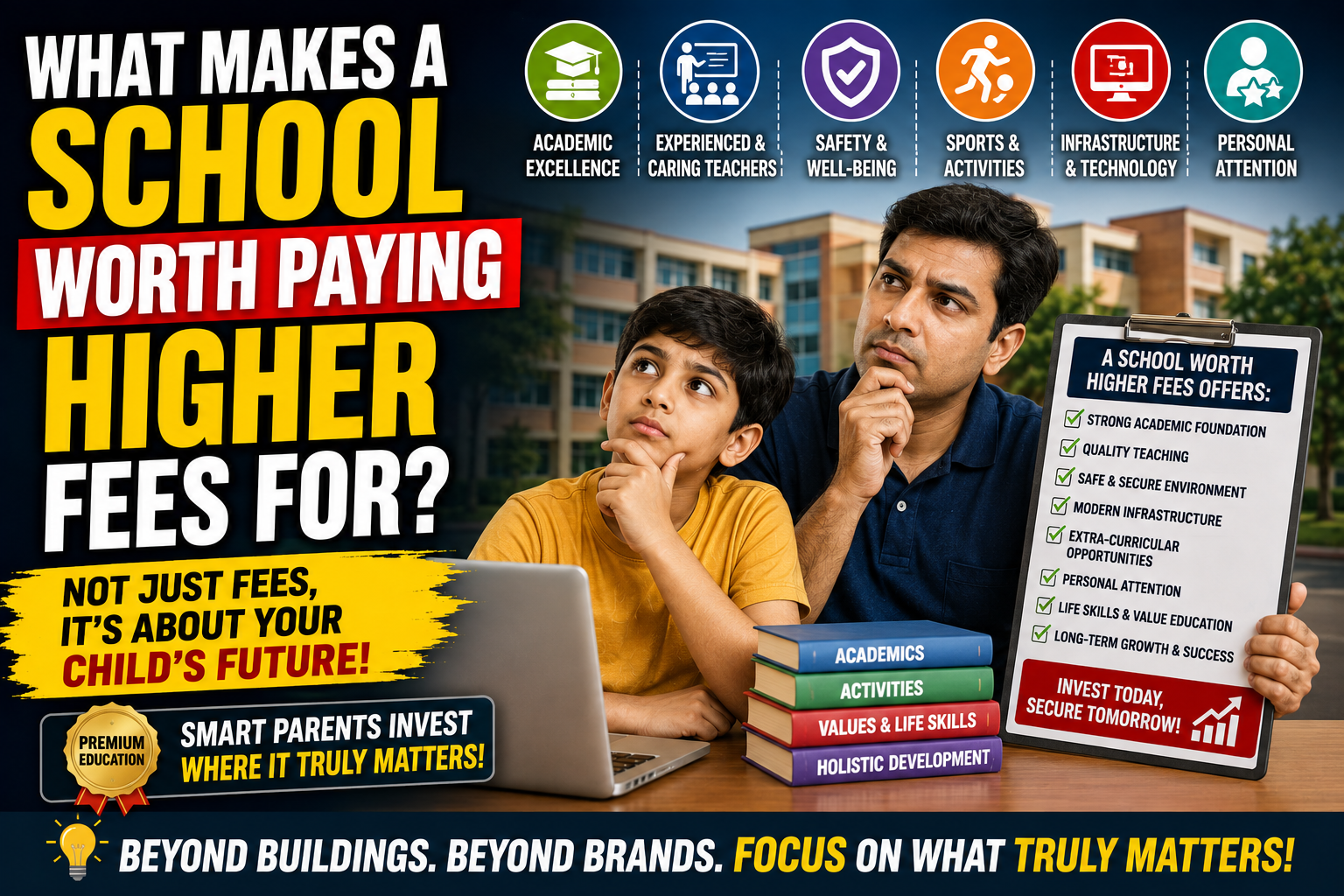
What Makes a School Worth Paying Higher Fees For in 2027? 10 Things Parents Should Check
8/17/2026

How to Calculate the Real Cost of Sending Your Child to School in 2027: The Complete Parent Budget Guide
8/17/2026