10 Days of Joy: Inside India’s "Bagless School" Revolution.
.png?alt=media&token=a0b388cd-a0f0-48f3-b5d7-07fcca9c6aae)
Remember the dread of the overweight school bag? For decades, the weight of textbooks on a child's shoulders was a symbol of academic rigor in India. It was a physical manifestation of a system that often prioritized rote memorization over holistic growth.
But things are changing rapidly. According to the National Education Policy (NEP) 2020, the days of passive classroom learning are numbered. The Ministry of Education has ushered in a "Bagless Revolution" for students in Grades 6 to 8. The new rule mandates that every student participate in a 10-day bagless period sometime during the academic year.
This isn't just a break from carrying books; it’s a fundamental rethinking of how our children learn, engage, and grow. As parents navigating this transition, understanding the 'why' and the 'how' of this rule is crucial.
What Are '10 Bagless Days'?
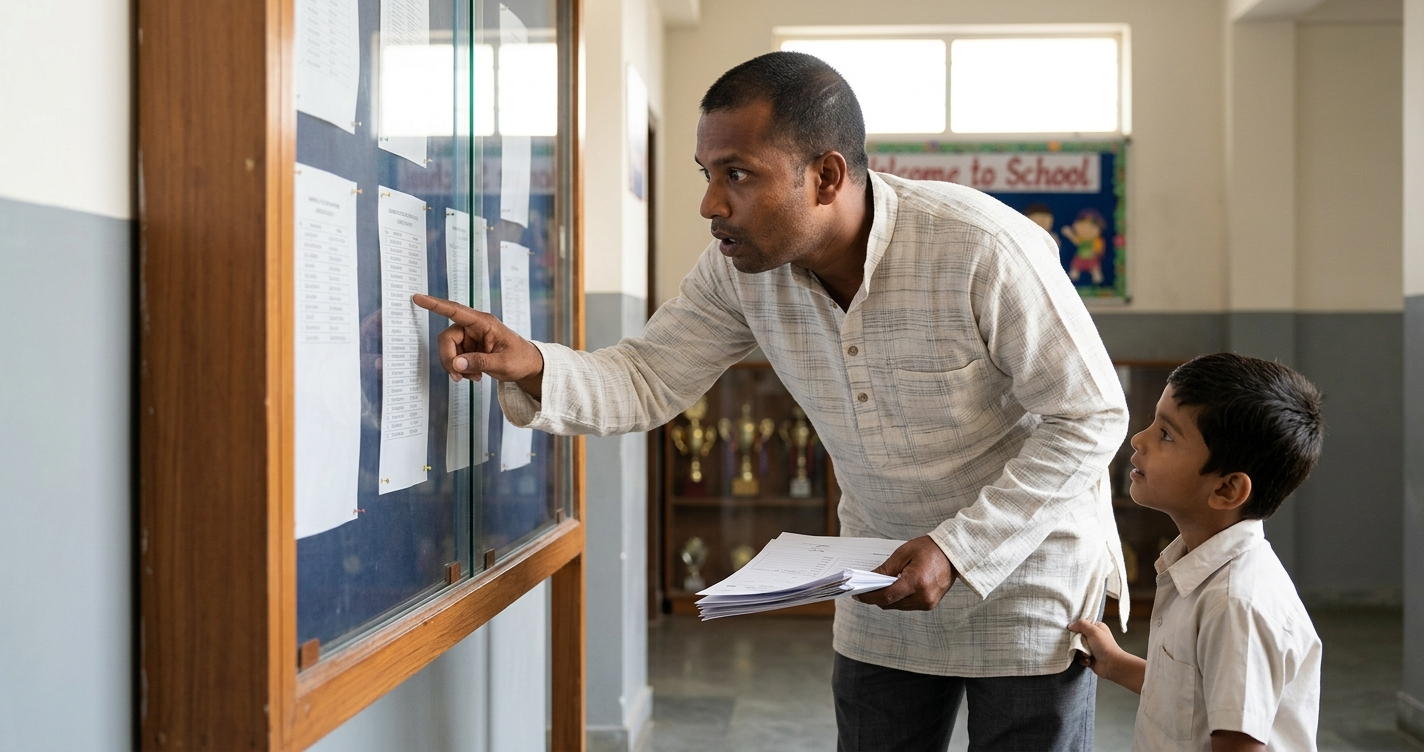
It’s exactly what it sounds like, but with a powerful pedagogical twist. For ten days in a school year, middle schoolers will leave their heavy bags and textbooks at home. However, they are still going to school to learn.
The focus shifts completely to experiential learning and vocational exposure. Instead of reading about the water cycle, they might visit a water treatment plant. Instead of hearing about the dignity of labor, they will see it firsthand. The Central Board of Secondary Education (CBSE), via Circular No. Skill-83/2024 issued in September 2024, has directed all affiliated schools to implement these guidelines.
The Purpose: Head, Heart, and Hand
The ultimate goal, as outlined by the NCERT guidelines developed for this initiative, is to make school a joyful, stress-free experience. The initiative aims to move away from the "banking model" of education—where knowledge is deposited into the student—to a model where students "construct knowledge through experience."
Specifically, the policy targets three key areas of development, known as the 3Hs:
1.Head (Cognitive): Developing critical thinking and problem-solving through real-world examples.
2.Heart (Affective): Fostering empathy, aesthetic values, and teamwork.
3.Hand (Psychomotor): Acquiring practical skills and manual dexterity.
At DextroCampus, we believe this rule is a massive step toward creating the kind of future-ready, holistic individuals the 21st century needs.
A Day in a "Bagless School": What to Expect
What does a middle schooler actually do during these ten days? The guidelines offer incredible flexibility, encouraging schools to customize the experience. Parents can expect their children to be involved in activities such as:
1. Hands-on Vocational Internships
This is the heart of the policy. Students will spend time with local vocational experts. Think carpenters, gardeners, potters, artists, or weavers. A child might learn how a potter molds clay or how a simple electrical circuit is fixed. This exposure helps dismantle social hierarchies around labor and introduces students to diverse career paths very early on.
2. Community & Cultural Immersive Visits
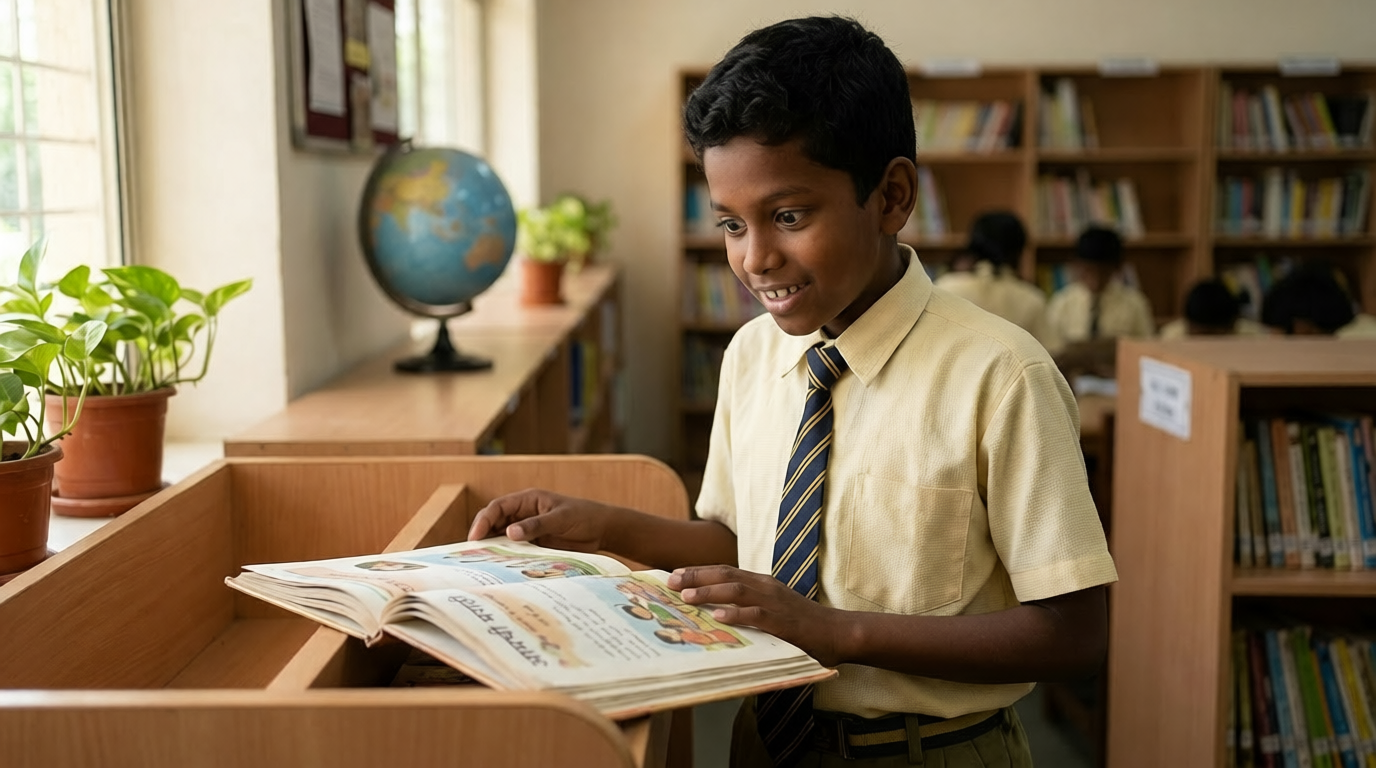
Learning spills out of the classroom. Schools are encouraged to organize visits to places of cultural, historical, and tourist importance. Students might visit historical monuments, craft centers, public libraries, or museums. They will meet local artisans and craftsmen, broadening their understanding of their heritage.
3. Public Service Exposure
How does our society function? Children may visit local panchayats, banks, hospitals, police stations, or post offices. This real-world interaction demystifies public institutions and builds civic awareness.
4. Creative Workshops and Quizzes
Indoors, the focus remains interactive. Multi-skill activities might include best-out-of-waste projects, robotic workshops, soil testing, water testing, drone flying, or specialized science experiments that require physical involvement.
Addressing Parental Concerns
A shift this significant naturally brings questions. Here are the most common concerns we hear from parents about bagless days:
"Will my child lag behind academically?"
This is the biggest fear. However, the NEP emphasizes that this is not learning loss; it is learning enhancement. The skills acquired—teamwork, problem-solving, real-world application of scientific principles—are vital for 21st-century success. These ten days are multidisciplinary, bridging the gap between theoretical knowledge and practice. No marks are awarded, but internal, informal assessment ensures students are engaging.
"How will schools manage this logistically?"
Managing a full school without bags can be a challenge. Schools must plan schedules, arrange transport for visits, and ensure student safety. At DextroCampus, we recommend parents actively engage with their school management to understand their specific 10-day bagless plan. Ask them about their safety protocols, the vocational experts they are partnering with, and how they define learning outcomes for these days.
"What about the cost?"
While the rule applies to all schools, the execution might differ. Outdoor trips or specialized kits may incur additional costs. Government guidelines recommend that school principals allocate an appropriate budget, potentially utilizing honorariums for guest experts and conveyance for visits.
Conclusion
The 10-Day Bagless Rule is not just an administrative change; it’s a cultural shift. It’s an admission that the most profound lessons are often learned outside a textbook, with dirty hands and a curious mind. It restores the dignity of labor and puts childhood joy back into the school curriculum.
As you look for the best educational environment for your child, ask potential schools not just about their exam results, but how they implement these life-changing NEP rules. The future of learning is hands-on, empathetic, and joyful.
If you are looking for schools that embrace innovation and holistic development, explore DextroCampus. We help you connect with educational institutions that understand not just where education is, but where it is going.
CTA: Confused about which school offers the best holistic environment for your child? Use the DextroCampus School Finder to compare schools based on their curriculum, facilities, and innovative teaching methodologies.
Tags:
Get Weekly Insights
Join 10k+ parents getting smarter about education.