The Death of the Heavy Bag: How Digital Textbooks Finally Won
.png?alt=media&token=4925708f-4b7d-4ea7-acec-616d793d3790)
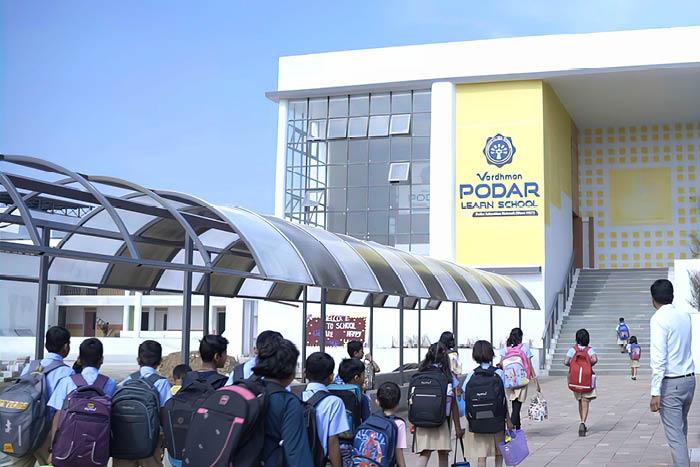
Does watching your child lug a massive, oversized backpack to the school bus every morning make you wince? You aren’t alone. For decades, the defining image of an Indian school student has been a hunched-over posture, struggling under the sheer weight of knowledge.
But there is a massive shift happening right now. The era of the "heavy bag" is finally drawing to a close, replaced by the lightweight glow of tablets, smart classrooms, and intelligently redesigned curriculums.
Let’s dive into what’s changing in 2026, what the data says, and how you can ensure your child benefits from this educational revolution.
The Reality of the "10% Rule"
In 2020, the Ministry of Education introduced the School Bag Policy, explicitly stating that a student's bag should not weigh more than 10% of their body weight. According to the guidelines, a Class 6 student should carry no more than 2 to 3 kilograms.
However, enforcement has been a massive challenge. A startling February 2026 inspection in Chandigarh revealed that an 11-year-old Class 6 student weighing 43kg was climbing three flights of stairs every day with a 7-kilogram bag. That is almost double the permissible limit!
Heavy bags are more than just an inconvenience. Pediatricians have long warned that carrying excess weight leads to muscle tension, severe back pain, and long-term bad postural habits in growing children. As parents, we cannot rely on policy alone to fix this. The true savior? Technology and curriculum innovation.
The Digital Takeover: Tablets Over Textbooks
Schools across India have realized that simply telling kids to "pack fewer books" doesn't work. The real solution is changing the medium of learning altogether.
According to the latest UDISE+ 2024-25 report, the digital infrastructure in Indian schools is improving at a breakneck pace. Schools with computer access have surged to 64.7%, and internet connectivity now reaches 63.5% of schools. What does this mean for your child's shoulders?
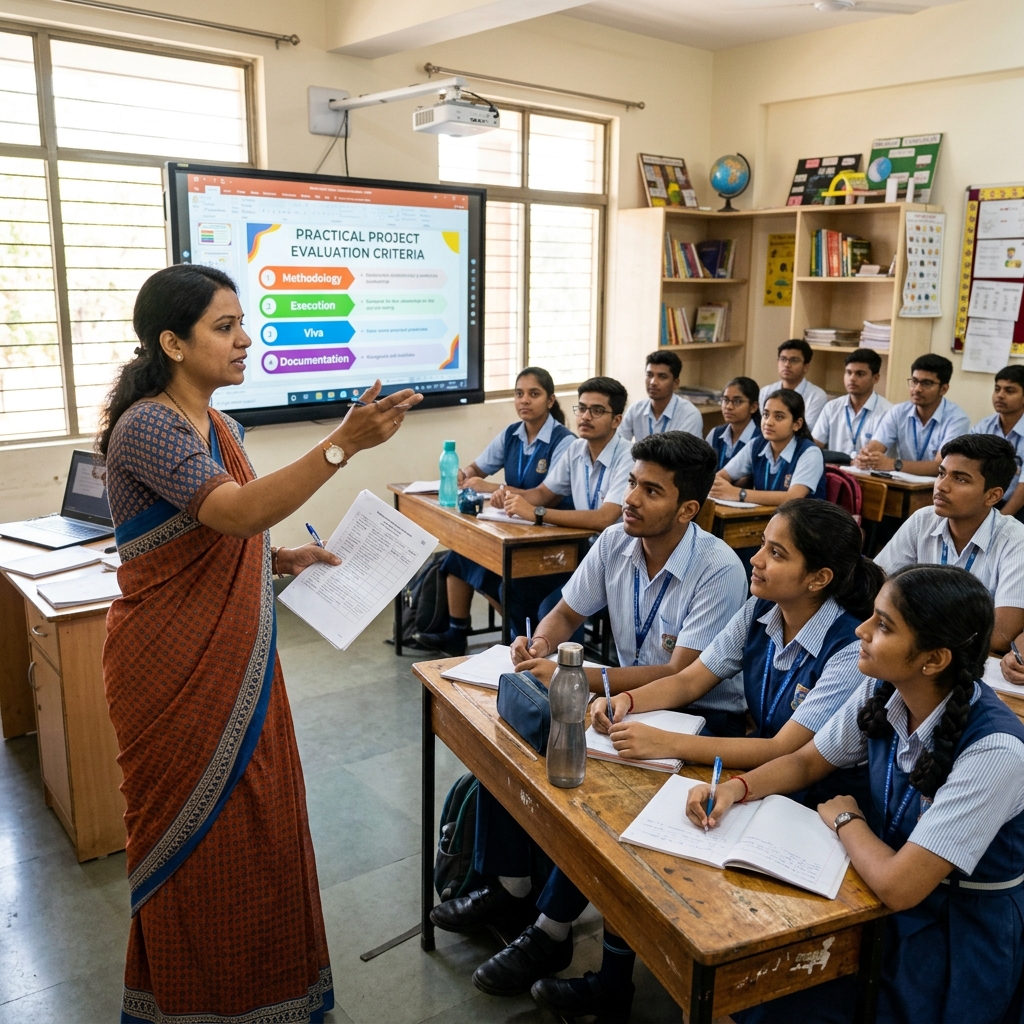
- Smart Classrooms: 34.6% of private schools now boast fully functional smart classrooms equipped with digital boards. Teachers no longer need students to bring four different textbooks for reference; the material is cast directly onto the screen.
- The DIKSHA Platform: The government's digital initiative currently hosts over 7,080 digital textbooks across 101 Indian languages. Instead of lugging around heavy encyclopedias, students can access extra reading material via QR codes printed in thin, lightweight workbooks.
The ASER 2024 report further confirms that our children are entirely ready for this transition. Nearly 90% of adolescents (aged 14-16) have access to smartphones at home, and over 82% know exactly how to navigate these digital environments. When schools shift to digital assignments, the students adapt almost instantly.
Innovative Solutions: Splitting the Load
Not every school can go 100% digital overnight, but state boards and premium schools are finding brilliant middle grounds.
Just this month, in March 2026, Rajasthan took a monumental step by completely overhauling their primary school books. Under their new system, textbooks for Hindi, English, Math, and EVS have been merged into a single, term-wise book.
Instead of carrying four different heavy hardcovers every day, a Class 3 student simply carries one lightweight "Term 1" book containing all subjects. Once the term is over, they switch to the next book. It’s a beautifully simple, practical solution aligned with the National Education Policy (NEP) 2020 that we expect to see CBSE and ICSE schools adopt widely.
What Should Parents Look For in a School?
If you are currently school-hunting, the weight of the school bag should be a genuine metric in your decision-making process. At DextroCampus, we always encourage parents to look beyond just the academic rankings. A school's approach to student well-being and technology adoption tells you a lot about its management.
Here are three questions you must ask during admission season:
- "Do you have a locker facility?" Premium schools now provide lockers so students can leave heavy textbooks, sports kits, and art supplies on campus.
- "What is your digital homework policy?" Schools that utilize educational apps, tablets, or platforms like Google Classroom for assignments naturally require fewer physical notebooks to be transported back and forth.
- "Have you adopted term-wise textbooks?" Check if the school uses publishers that split the syllabus into lighter, term-wise modules rather than year-long omnibus editions.
Empowering Your Child's Digital Journey
It is important to acknowledge that digital learning comes with its own set of parenting challenges—specifically, screen time. The ASER 2024 report noted that while 57% of teens use their devices for educational purposes, a significant 76% use them for social media.
The goal isn't just to hand a child a tablet and hope for the best. The best schools pair digital textbooks with robust cyber-safety education, teaching children how to use the internet as a tool for creation, not just mindless consumption.
The Bottom Line
The heavy school bag is finally on its way out. Between the rise of interactive smart boards, government-backed digital repositories, and smart curriculum redesigns, the future of Indian education is physically lighter but intellectually heavier.
Are you looking for a forward-thinking school that prioritizes your child's physical health and digital fluency? Head over to DextroCampus today. We help you filter, compare, and connect with the best schools in your city that are leading the charge in modern, tech-enabled education. Let's find the perfect fit for your child—no heavy lifting required!
Tags:
Get Weekly Insights
Join 10k+ parents getting smarter about education.