
CBSE Class 12 in 2026: Semester System, More CBQs, and What Parents Need to Know
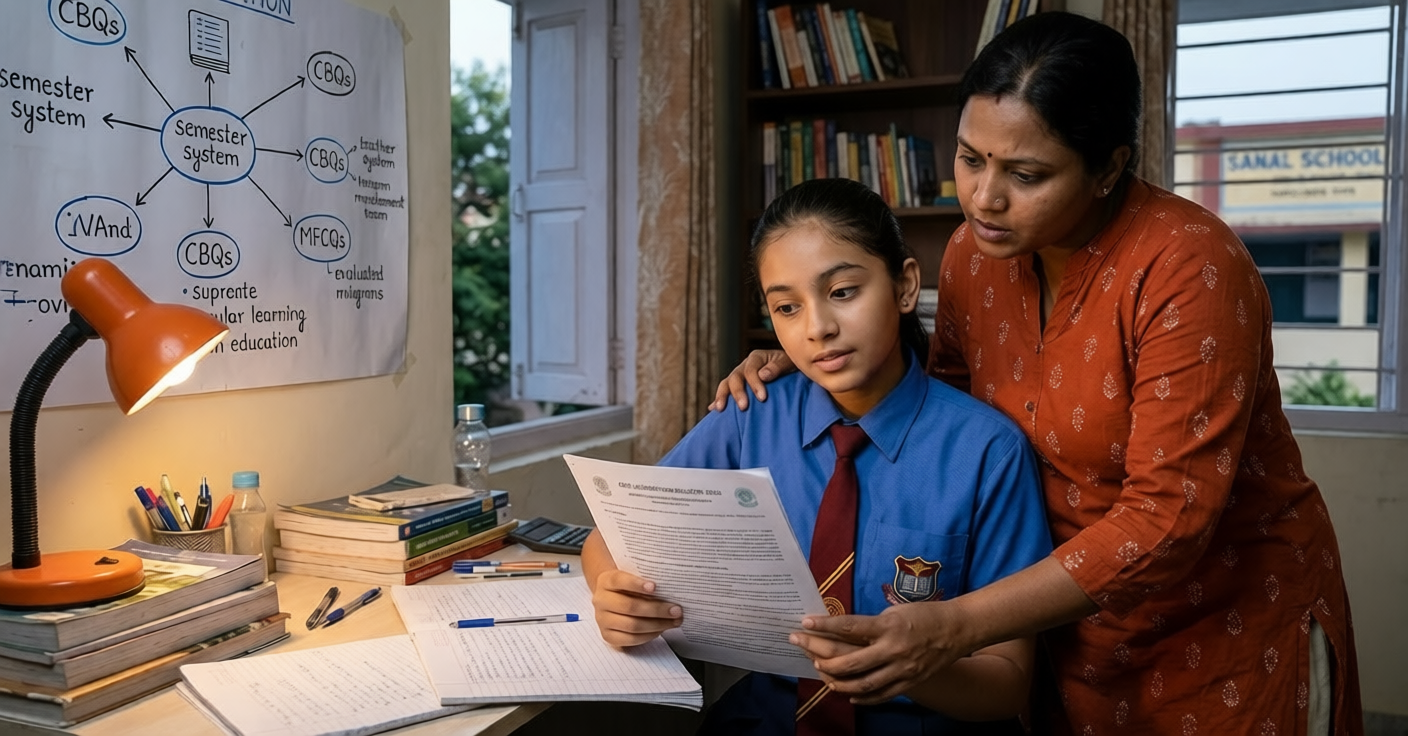
Is your child gearing up for their Class 12 boards in 2026? Brace yourself, because the Central Board of Secondary Education (CBSE) is in the midst of some significant transformations. According to recent reports, changes are afoot that could fundamentally alter how students prepare for and experience their final school year. As a parent, staying informed is crucial to guiding your child through these potentially turbulent times. Let's delve into what these updates might entail and what they mean for your child's educational journey.
One of the most talked-about possibilities is the introduction of a semester system for Class 12, potentially starting as early as the 2025-26 academic session. This would mark a significant shift from the traditional year-end examination model.
Instead of one high-stakes exam at the end of the year, students might face two board exams – Term 1 and Term 2 – or some form of progressive assessment throughout the year. While this approach aims to reduce student stress by spreading the exam load, it also means sustained focus and consistent performance across the academic year become even more critical.
This system, reminiscent of the pattern adopted during the pandemic, brings both advantages and challenges. It could alleviate the intense pressure of a single, make-or-break exam. However, it also demands consistent dedication and less room for error. For students who might typically ramp up their efforts closer to the final exams, this consistent effort throughout the year could prove demanding.
Parents, this is where planning and consistent support become paramount. Platforms like DextroCampus can help you understand how different schools are adapting to these potential changes and identifying institutions with strong continuous assessment practices.
Beyond the examination structure, the very nature of questions in Class 12 exams is undergoing a deliberate shift. CBSE is actively increasing the weightage of competency-based questions (CBQs). These aren't your typical direct questions testing textbook knowledge; they are designed to assess a student's ability to apply concepts, think critically, and solve real-world problems.
Reports suggest that CBQs could constitute a substantial portion of the total marks by 2026, aligning with the core tenets of the National Education Policy (NEP) 2020. This means rote memorization, long the cornerstone of exam preparation for many, will likely become less effective. Students will need a deeper, more conceptual understanding of subjects.
This change highlights the importance of not just covering the syllabus but truly understanding and applying concepts. Students who can connect theoretical knowledge to practical scenarios will likely perform better in this new format.
For students who want structured learning beyond the classroom and need to sharpen their critical thinking and application skills, DX Coaching offers quality online courses designed to help Indian students build real academic skills and excel in competency-based assessments.
So, with these potential shifts on the horizon, what are the actionable steps for parents and students approaching Class 12 in 2026?
- Stay Informed: Keep a close watch on official announcements from CBSE and reliable news sources. The situation is evolving, and knowing the latest directives is essential.
- Focus on Conceptual Understanding: Encourage deep learning rather than just memorization. Help your child understand 'why' and 'how' concepts work, not just 'what' they are.
- Practice Application: Seek out practice materials and sample papers that feature competency-based questions. Practice solving problems that require reasoning and analytical skills.
- Consistency is Key: Whether it's a semester system or not, developing consistent study habits is vital. Regular revision and understanding concepts incrementally will build a strong foundation.
- Evaluate Schools Carefully: If you are considering a school change for Class 11 or 12, inquire about their teaching methodologies, especially concerning conceptual learning and their readiness for potential CBSE changes. You can use DextroCampus to explore schools and compare their academic approaches.
- Seek Right Support: Don't hesitate to seek academic support if needed. Consider additional resources like DX Coaching for targeted help, especially in areas where conceptual clarity or problem-solving skills need improvement.
Navigating changes in the education system can feel overwhelming, but by being proactive and supportive, you can help your child adapt and thrive. Remember, the ultimate goal isn't just to pass exams but to build lasting skills and knowledge that will serve them well in the future. Leverage platforms like DextroCampus and DX Coaching to access valuable resources and support along the way. Stay curious, stay informed, and let's approach these changes with confidence and a focus on holistic growth for your child!
Tags:
Get Weekly Insights
Join 10k+ parents getting smarter about education.

.png?alt=media&token=ba818e1f-d694-461a-8b6e-7928db472af8)