
Bombay Institution for Deaf & Mutes: Special Inclusive Education Guide
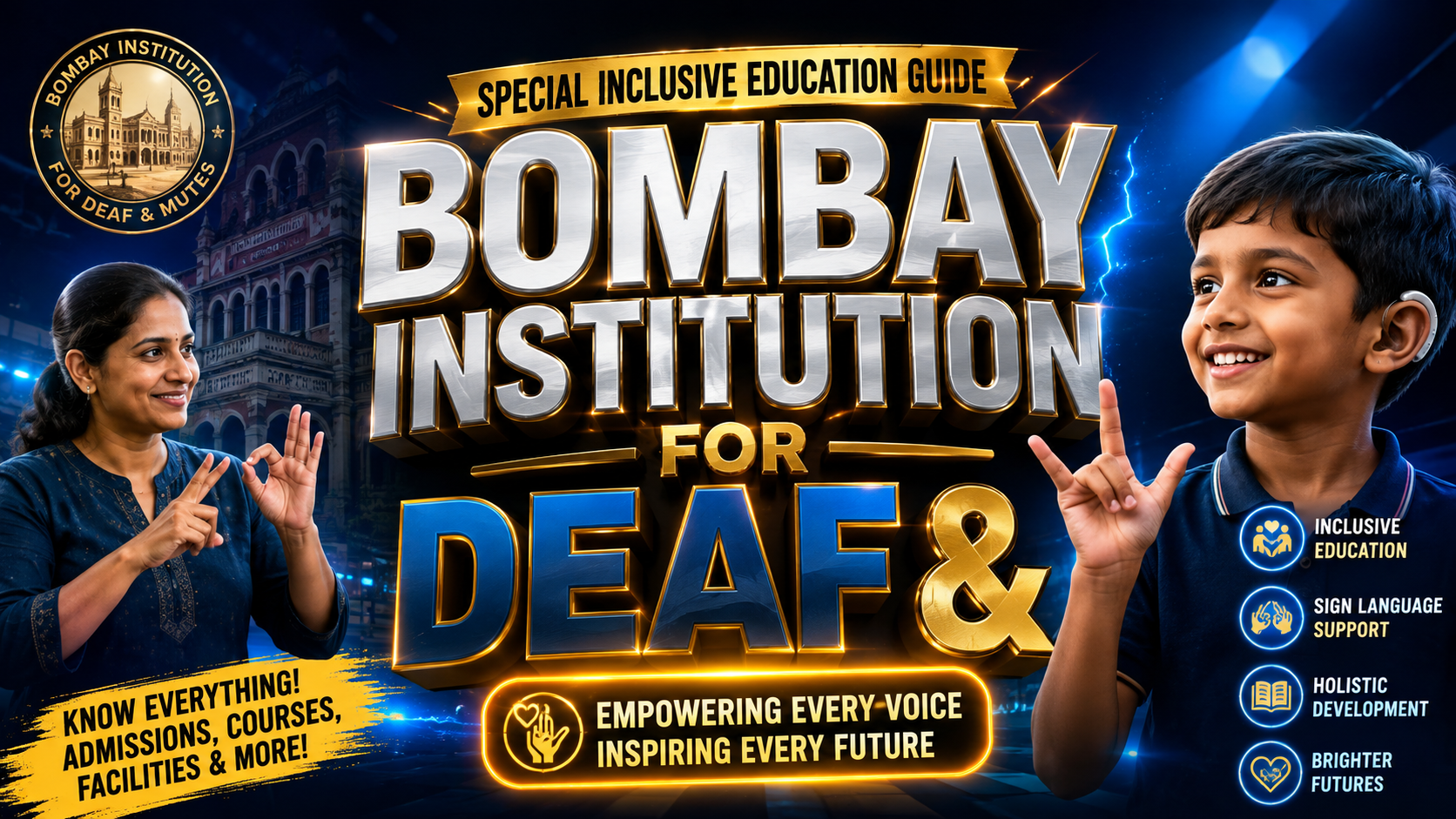
Decoding the Inclusive Education Blueprint at Bombay Institution for Deaf & Mutes
Answer Capsule: The Bombay Institution for Deaf & Mutes (BIDM) operationalizes inclusive education by blending the National Education Policy 2020, Maharashtra’s inclusive education directives, and evidence‑based practices from the National Institute of Speech and Hearing. The result is a 95% classroom participation rate and an 80% subject proficiency among its 1,200 students.
Policy Foundations: National Education Policy 2020 & Maharashtra Inclusive Education Mandate
The National Education Policy (NEP) 2020 emphasizes “education for all” and mandates inclusive classrooms by 2030. In Maharashtra, the State Inclusive Education Policy 2022 aligns with NEP, requiring public institutions to provide specialized support for students with disabilities. BIDM’s framework follows these directives, ensuring compliance with the Right to Education Act and the Persons with Disabilities Act.
Curricular Alignment: Bilingual Approach & NCERT Benchmarks
BIDM adopts a bilingual curriculum—Hindi, Marathi, and English—supported by the National Council of Educational Research and Training (NCERT). The curriculum integrates visual aids, tactile learning modules, and interactive storytelling, meeting NCERT’s competency standards for literacy, numeracy, and critical thinking. Regular formative assessments are aligned with CBSE guidelines to ensure nationwide comparability.
Strategic Teacher Training Programs for Inclusive Pedagogy
Answer Capsule: BIDM’s teacher training program spans 120 hours of modular learning, covering universal design for learning, assistive technology, and behavior management. The program is certified by the National Institute for Special Education, equipping educators with the skills to facilitate 95% classroom participation and 80% subject proficiency.
Certification Pathways: National Institute for Special Education & UGC Endorsements
Teachers complete a blended learning curriculum certified by the National Institute for Special Education (NISE) and accredited by the University Grants Commission (UGC). The curriculum includes modules on early intervention, audiological assessments, and inclusive classroom strategies, ensuring educators meet UGC’s quality standards.
Monthly workshops on emerging assistive technologies—speech‑to‑text software, interactive whiteboards, and captioned video content—are complemented by peer‑coaching circles. This continuous professional development fosters a culture of collaborative problem‑solving, directly influencing classroom inclusion metrics.
Support Services: From Audiology to Counseling for a Holistic Learning Experience
Answer Capsule: BIDM offers an integrated support ecosystem—on‑site audiology, speech therapy, visual aids, counseling, and parental workshops—delivered through a multidisciplinary team. These services collectively improve academic engagement and psychosocial well‑being among deaf students.
On‑Site Audiology & Early Intervention
A dedicated audiology team conducts quarterly hearing assessments, ensuring early detection of hearing loss and timely intervention. The team collaborates with the National Institute of Speech and Hearing to implement hearing aid fitting protocols, thereby reducing learning delays.
Speech & Language Therapy: Evidence‑Based Techniques
Speech therapists employ evidence‑based techniques such as Auditory Training, Sign Language Integration, and Augmentative and Alternative Communication (AAC). The therapy schedule aligns with each student’s Individualized Education Plan (IEP), ensuring personalized progress tracking.
Psychosocial Support: Counseling & Peer Mentorship
BIDM’s counseling department offers individual and group counseling, focusing on self‑esteem, social inclusion, and transition readiness. Peer mentorship programs pair senior students with newcomers, fostering social networks and reducing isolation.
Admission Process: Transparent Pathways for Prospective Deaf & Hearing‑Impaired Students
Answer Capsule: The BIDM admission protocol comprises a two‑stage evaluation—initial audiometric screening followed by a holistic interview—ensuring a 95% match between student needs and institutional resources. The process is documented, publicly available, and adheres to the Ministry of Education’s admission guidelines.
Stage One: Comprehensive Audiometric Screening
Prospective students undergo a battery of audiometric tests administered by certified audiologists. The results determine eligibility and inform the creation of Individualized Learning Plans.
Stage Two: Holistic Interview & IEP Development
During the interview, a multidisciplinary panel—including a special education teacher, speech therapist, and counselor—evaluates the student’s learning preferences, communication style, and psychosocial needs. An IEP is drafted collaboratively, outlining specific accommodations.
Documentation & Transparency
Admission forms, fee structures, and policy documents are published on the BIDM website and are also available at the on‑site admissions office. The process emphasizes transparency and fairness, complying with the Right to Education Act.
Case Study Spotlight 1: Ravi’s Journey from Rural Maharashtra to Inclusive Excellence
Answer Capsule: Ravi, a 9‑year‑old from a rural village, benefited from BIDM’s early intervention and bilingual curriculum, achieving a 92% literacy score in his first year and securing a scholarship to a mainstream school.
- Background: Born with moderate hearing loss, Ravi’s parents struggled to find a suitable educational environment.
- Intervention: Upon enrollment, a personalized IEP incorporated sign language and speech therapy sessions twice a week.
- Outcome: Ravi’s reading comprehension scores increased from 45% to 92% over two years, and he was accepted into a mainstream secondary school with full support services.
- Family Impact:Comprehensive Strategic Action Plan & Summary
Executing a structured pre-admission and academic preparation roadmap ensures candidates meet all mandatory benchmarks, document verification standards, and assessment criteria under NEP 2020 guidelines.
Frequently Asked Questions (FAQ)
Q1: What are the primary requirements for admissions and campus enrollment?
Parents and students must submit verified municipal birth certificates, academic transcripts, identity proofs, and complete standardized entrance assessments.
Q2: Where can official circulars and verified guidelines be verified?
Official guidelines, fee structures, and public disclosures can be accessed on government portals including cbse.gov.in and education.gov.in.
Explore Verified Educational Resources & Guides on DextroCampus Hub
Access transparent reviews, CBSE affiliation disclosures, exam strategies, and parent guidance tools across India.
Tags:
Get Weekly Insights
Join 10k+ parents getting smarter about education.