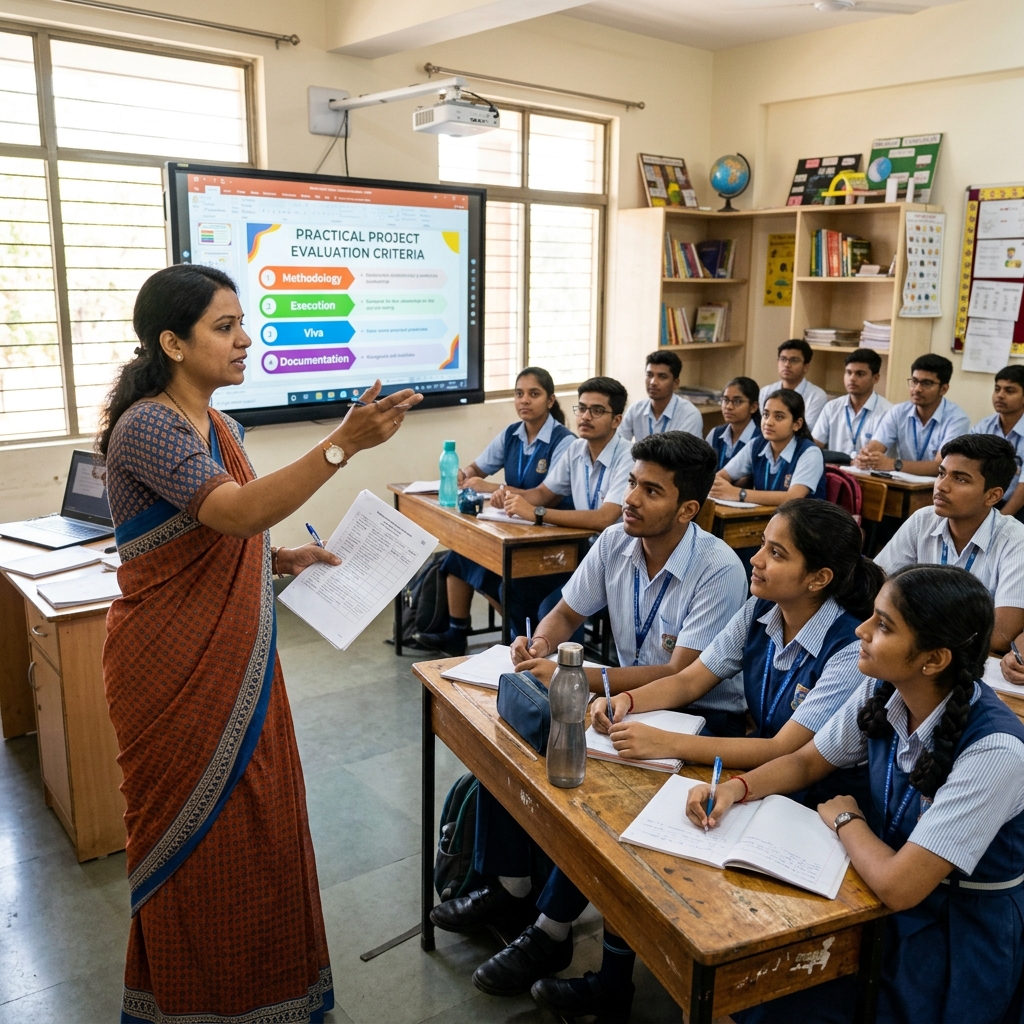
Beyond the Screen: How AI is Finally Putting Your Child’s Well-being First
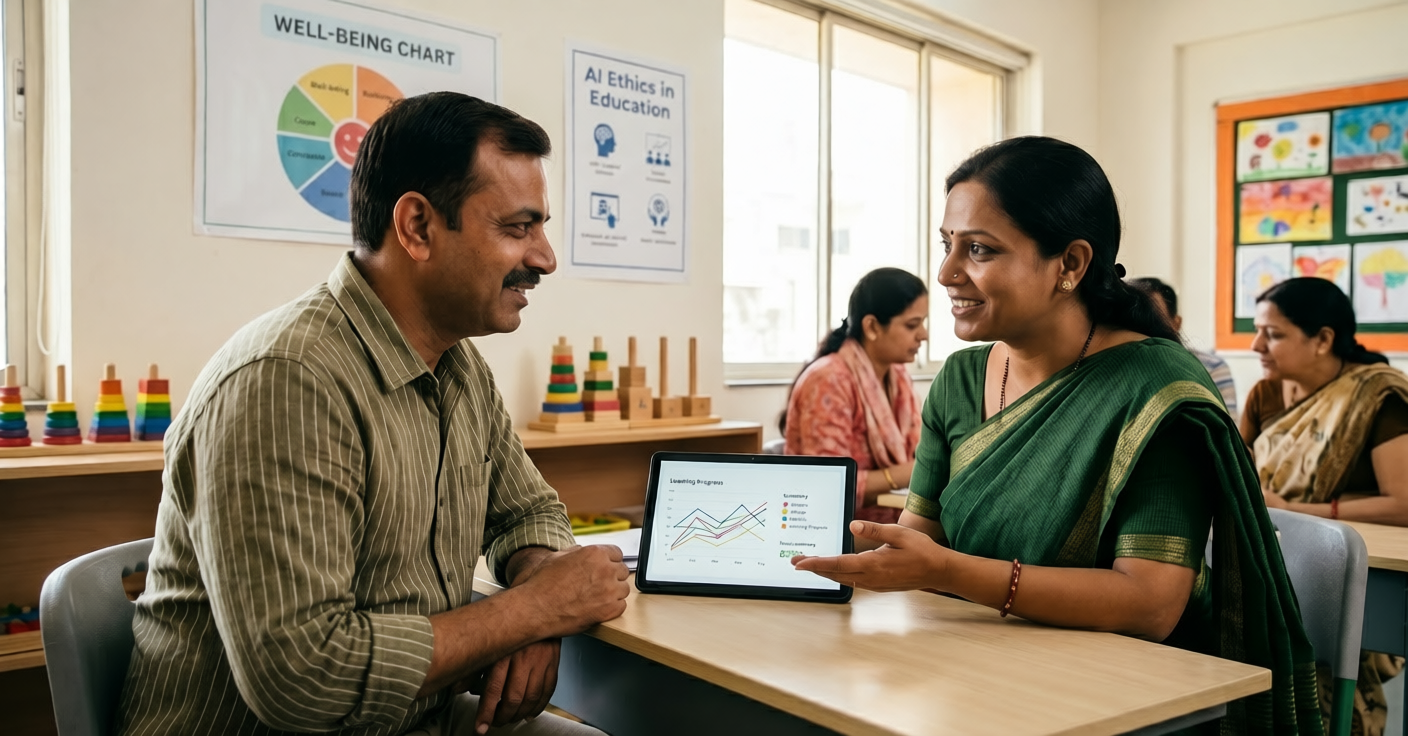
The New Face of the Indian Classroom
According to recent data, the personalized learning market in India is set to skyrocket to $7.53 billion by the end of 2026. This isn't just a win for tech companies; it’s a fundamental shift in how our children experience school. For decades, the "one-size-fits-all" model has been a primary driver of academic anxiety in Indian households. Today, that is finally changing.
As we move into the 2026–27 academic session, the Central Board of Secondary Education (CBSE) has officially integrated Computational Thinking and AI for students as young as Class 3. While the word "AI" often conjures images of complex coding and late-night screen time, the actual goal is much more human: student well-being.
Why Personalization is the Antidote to Stress
The biggest source of stress for a student isn't the difficulty of the subject—it’s the fear of falling behind. When a teacher has to move on to Chapter 5 while a student is still stuck on a concept in Chapter 2, a "learning gap" is born.
AI-driven personalized learning tools now boast a 90% accuracy rate in identifying these specific misconceptions. Instead of a student feeling "slow" or "not good at Math," AI tools pinpoint exactly where the logic broke down. This allows for:
- Customized Learning Paths: Students move at their own pace, mastering one concept before being pushed to the next.
- Reduced Assessment Pressure: Real-time feedback means students don't have to wait for a scary "Unit Test" to know how they are doing.
- Increased Confidence: Small, personalized wins lead to a more positive relationship with learning.
At DextroCampus (dextrocampus.com), we’ve seen a surge in parents looking for schools that don't just have "smart boards," but actually use these AI tools to support a child's unique emotional and academic journey.
The 2026 Mandate: Ethics Over Electronics
The Ministry of Education’s latest guidelines emphasize that AI in schools is not about replacing the teacher, but empowering them. The new curriculum for Classes 3–8 focuses heavily on AI ethics and responsible use.
Parents are often anxious that more technology means less "human" connection. However, by automating the grading of repetitive worksheets and identifying learning gaps, AI frees up teachers to do what they do best: mentoring and emotional support. A teacher who isn't buried in paperwork has more time to notice if a student seems withdrawn or anxious.
For students who need that extra layer of structured, guided support outside of school hours, DX Coaching (dx-coaching.web.app) provides curated courses that align with this new competency-based approach, ensuring that technology serves the student's growth rather than overwhelming them.
Choosing the Right Path for Your Child
As a parent, your role is shifting from a "tutor" to a "facilitator." When exploring school options on DextroCampus, look for institutions that mention "balanced technology use" and "holistic development."
The goal of AI integration in 2026 isn't to create a generation of robots; it’s to use data to ensure no child feels "invisible" in a crowded classroom. By tailoring the education to the child—rather than forcing the child into a rigid system—we are finally addressing the root cause of student burnout in India.
Whether you are navigating the new CBSE curriculum or looking for advanced learning tools like DX Coaching (dx-coaching.web.app), the focus should always remain on the child’s happiness and curiosity.
Ready to find a school that prioritizes your child's well-being alongside modern technology? Visit dextrocampus.com today to compare schools and find the perfect fit for your child's future.
🧠 STEP A — EXTRACT THE SOUL OF THE BLOG
- THE SCENE — [Library Letter L] THE PARENT-TEACHER MEET
- Why: This captures the bridge between the high-tech 2026 mandate and the human concern for student well-being discussed in the blog.
- Specific Moment: A female teacher in a modern primary classroom showing a report on a tablet to a concerned father; she is pointing not at a grade, but at a "learning progress" graph, while the father leans in with an expression of sudden relief.
- WHO — FACE POOL [Letter B & E]
- Teacher (Face E): Slim face, high cheekbones, almond eyes, dusky skin, hair in a neat bun, aged 32.
- Father (Face B): Lean angular face, sharp jawline, salt-and-pepper stubble, wheatish skin, early 40s.
- WHERE — TOPIC-MATCHED LOCATION
- Location: Primary School Classroom (Middle Stage).
- Objects: A colorful "AI Ethics" poster on the wall, a stack of wooden geometric blocks on the desk (balancing tech with tactile learning), and a "Student Well-being" chart with emojis.
- CLOTHING — [Rotation J & D]
- Teacher: Forest green cotton saree with contrast temple border and small woven motifs.
- Father: Olive green linen shirt with subtle vertical stripe texture.
- EXACT EXPRESSION
- Teacher: Eyes warm and focused, mouth slightly open as if explaining a positive trend; posture is leaning forward supportively.
- Father: Brows relaxed from a previous furrow, a slight exhale visible in the mouth's position, eyes wide as he looks at the data.
Tags:
Get Weekly Insights
Join 10k+ parents getting smarter about education.